Imagine sipping sweet Turkish coffee in Istanbul’s cobblestone Sultanahmet district one afternoon, waking up at 4am for a frosty Cappadocia hot air balloon ride the next day, then hiking a sun-dappled Taurus Mountain trail 48 hours later. Turkey’s dual-continent geography, wildly variable climates, and mix of urban and remote outdoor destinations make packing a uniquely tricky task. Show up with only city wear, and you’ll freeze on mountain mornings. Overpack heavy hiking gear, and you’ll struggle to drag your suitcase up Istanbul’s hilly historic neighborhoods. This 2026 guide breaks down exactly what you need for seamless travel between Turkey’s bustling cities and rugged mountain roads, with culturally respectful, seasonally appropriate recommendations.
Table of Contents#
- Why Turkey’s Dual Terrain Demands Specialized Packing
- City Streets Packing Essentials (Istanbul, Ankara, Izmir, Coastal Cities)
- Mountain Roads Packing Essentials (Cappadocia, Taurus Mountains, Eastern Turkey)
- 2026 Seasonal Packing Guides for Cross-Region Travel
- Versatile Picks for Seamless City-to-Mountain Transitions
- Non-Negotiable Travel Essentials for All of Turkey (2026 Updates)
- Common Packing Mistakes to Avoid
- Key Takeaways
- References
Why Turkey’s Dual Terrain Demands Specialized Packing#
Turkey spans Europe and Asia, with climate zones ranging from mild Mediterranean coasts to subarctic high mountain peaks in Eastern Turkey. For cross-region travelers, temperature swings of 25°F (14°C) or more in a single day are common: for example, a September day might hit 82°F (28°C) in central Ankara, then drop to 41°F (5°C) that night in nearby Cappadocia. Even in May, Eastern Turkey’s 3,000m+ mountain passes can have lingering snow, while Izmir’s coastal streets are warm enough for swimwear. This guide eliminates the guesswork of packing for both urban comfort and mountain safety.
City Streets Packing Essentials (Istanbul, Ankara, Izmir, Coastal Cities)#
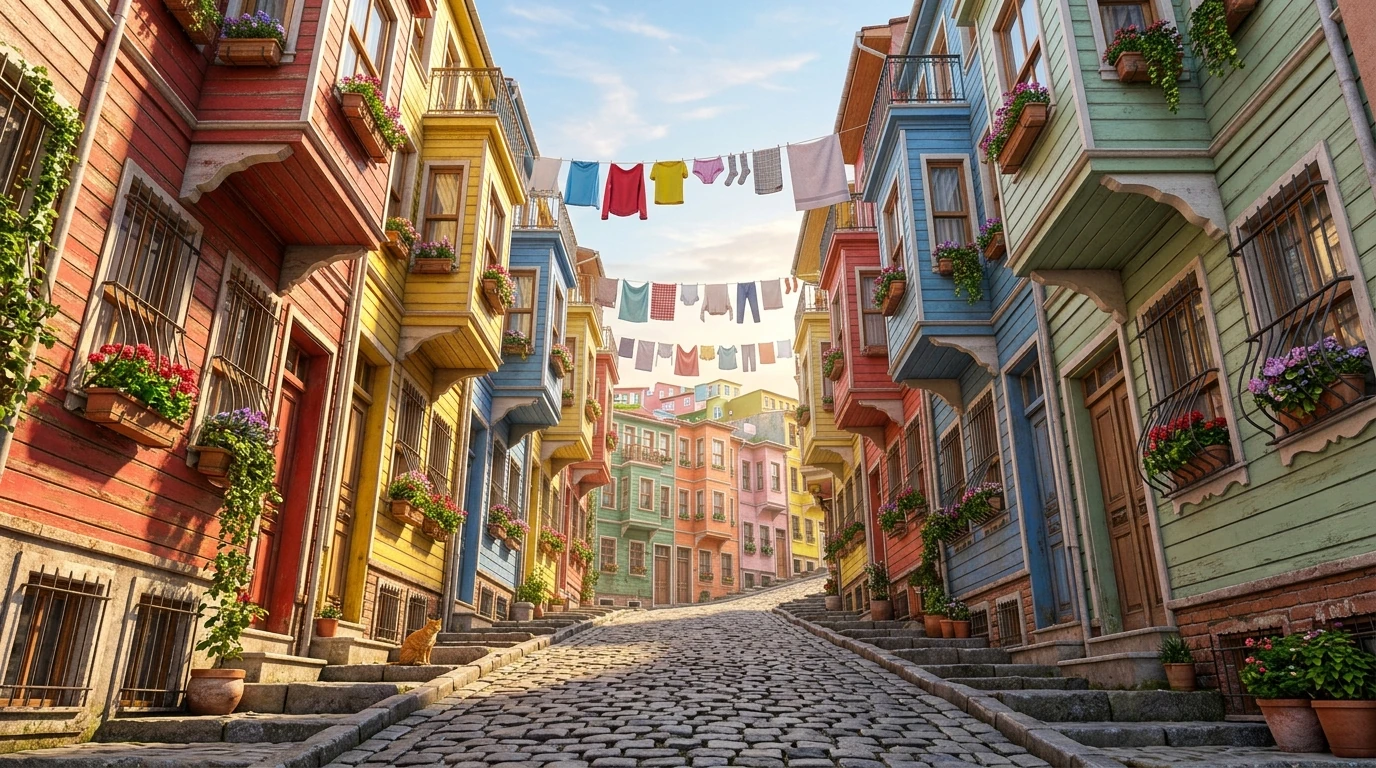
Major Turkish cities are largely secular and westernized, so you won’t need to sacrifice comfort for cultural respect in most tourist areas.
Clothing for Urban Exploration#
- Core wardrobe: 3-4 quick-dry t-shirts, 2 pairs of shorts/skirts, 1 casual dress, 1 pair of lightweight long pants for cooler evenings. Sleeveless tops are widely accepted in tourist districts like Istanbul’s Beyoglu or Antalya’s old town.
- Footwear: Supportive, broken-in walking shoes are non-negotiable. Most historic districts have uneven cobblestones, and it’s common to walk 8-12 miles in a single day exploring the Grand Bazaar, Ephesus, or Ankara’s castle.
- Dressy option: 1 nice dress or collared shirt for rooftop dinners, upscale meyhane (taverns), or high-end hotels.
- Light layer: A thin cardigan or linen button-down for air-conditioned cafes, ferry rides, and spring/autumn evenings.
Cultural Respect Packing Must-Haves#
- Modesty cover-up: A long, lightweight scarf and oversized button-down for mosque visits. All visitors (men and women) must cover knees and shoulders, and women must cover their hair. While most major mosques provide free disposable scarves, bringing your own is more hygienic and convenient.
- For conservative residential neighborhoods (e.g., Fatih in Istanbul, rural towns outside major city centers), opt for longer hemlines and avoid overly revealing clothing to avoid unwanted attention.
Mountain Roads Packing Essentials (Cappadocia, Taurus Mountains, Eastern Turkey)#
Mountain regions have extreme temperature variability, rough terrain, and limited access to amenities, so prioritize function over fashion here.
Clothing for Variable Mountain Temperatures#
- Layering system is non-negotiable:
- Base layer: Merino wool top and bottom (temperature regulating, odor resistant, works for both cool mornings and warm afternoon hikes)
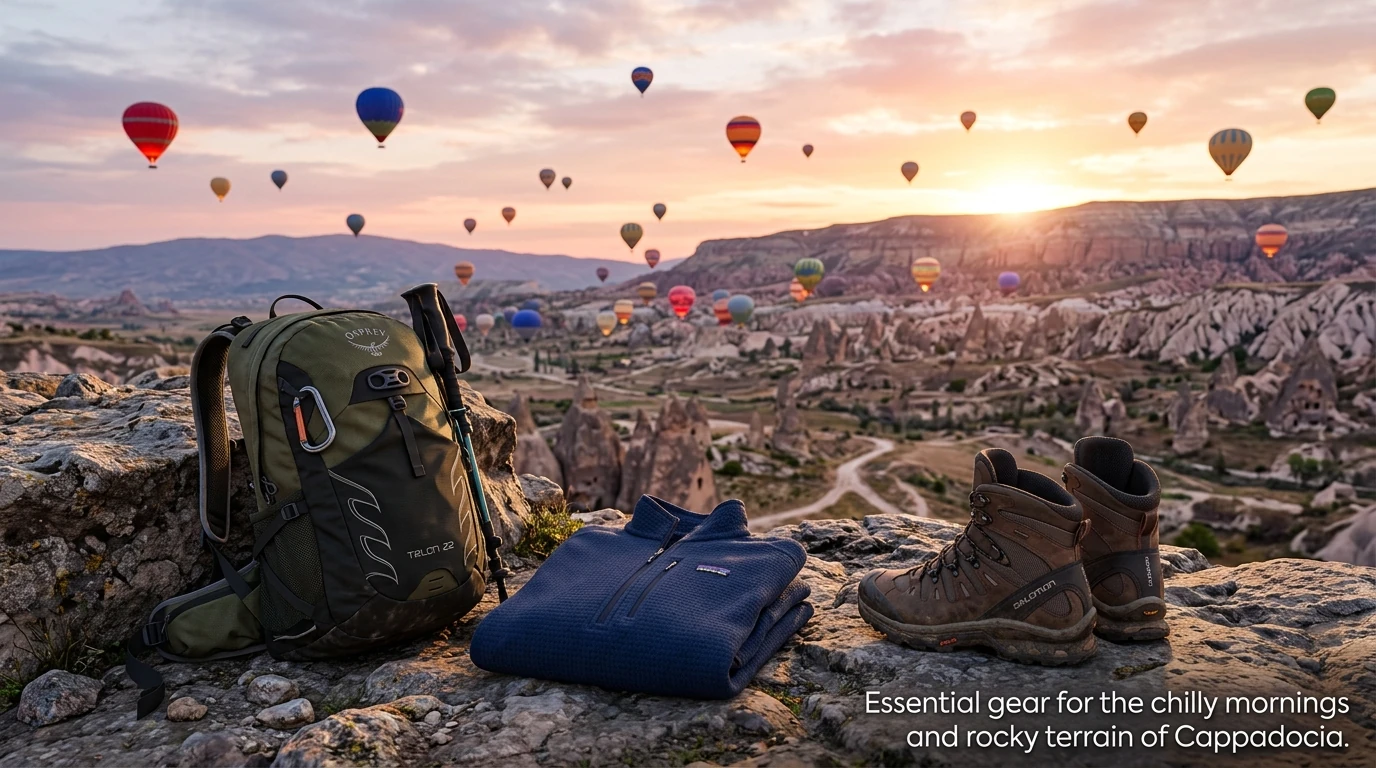
- Mid layer: Fleece jacket or wool sweater for 4am hot air balloon rides, high-altitude stops, and evening campfires
- Outer layer: Waterproof, windproof rain jacket for sudden mountain thunderstorms and snow flurries (even in spring/autumn)
- Cold weather extras: Thermal underwear, knit hat, waterproof gloves, and a neck gaiter for Eastern Turkey travel or winter mountain trips. In January, Eastern Turkey peaks can drop to -4°F (-20°C), so heavy insulated outerwear is required.
- Footwear: Sturdy, waterproof hiking boots with ankle support for loose rock trails in the Taurus Mountains, cave exploration in Cappadocia, and snow-covered passes in Eastern Turkey.
Gear for Mountain Adventures#
- 20L daypack for hikes, balloon rides, and day trips (with a waterproof cover)
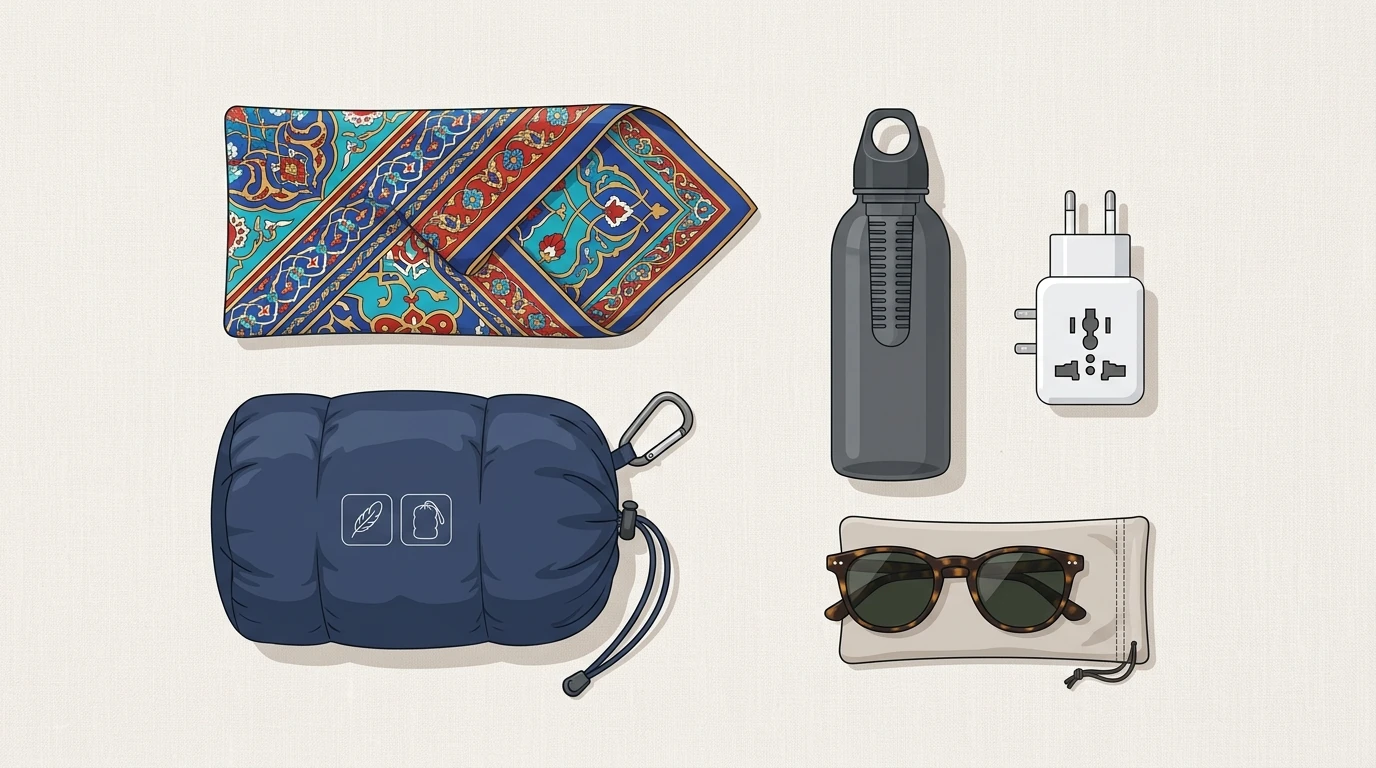
- Filtered water bottle: Tap water is not safe to drink in rural mountain areas, and single-use plastic bottles are widely discouraged in national parks
- High-SPF sunscreen, polarized sunglasses, and a wide-brimmed hat: UV radiation is 30% stronger at 2,000m+ elevation, even on cloudy days
- Altitude sickness medication (if traveling to Eastern Turkey peaks over 3,000m)
- Headlamp with extra batteries: For early morning balloon rides, cave tours, and power outages in remote mountain villages
- Offline GPS or downloaded maps: Cell service is spotty or non-existent in 60% of Turkey’s mountain national parks as of 2026.
2026 Seasonal Packing Guides for Cross-Region Travel#
Adjust your core packing list based on when you’re visiting:
Summer (June-August)#
- Lightweight, moisture-wicking fabrics for 90°F+ (32°C+) city days
- Swimwear for stops along the Turkish Riviera or mountain lake swimming spots
- Packable down jacket for 40°F (4°C) Cappadocia mornings and high-altitude hikes
- Extra insect repellent for coastal and mountain areas
- Portable fan for unairconditioned budget hotels in cities
Spring & Autumn (March-May, September-November)#
- Mix of short and long-sleeve tops, with layers that can be added or removed quickly
- Full rain gear (waterproof jacket, pants, and shoe covers): Istanbul and the Taurus Mountains see frequent sudden rain showers in these seasons
- Convertible zip-off pants work perfectly for warm city afternoons and cool mountain hikes
- Note: Eastern Turkey mountain passes may still be closed due to snow in March and April, check the Turkish Ministry of Transport website before planning high-altitude trips.
Winter (December-February)#
- Heavy insulated, waterproof parka for mountain travel and cold city evenings
- Waterproof snow boots with thick insulation
- Thermal base layers, extra gloves, and a face covering for wind chill
- Portable charger: Cold temperatures drain phone and camera batteries 2x faster than normal.
Versatile Picks for Seamless City-to-Mountain Transitions#
The key to packing light for cross-region Turkey travel is choosing multi-use items that work for both urban and outdoor settings:
Multi-Use Clothing Items#
- Convertible zip-off hiking pants: Wear as shorts in Istanbul’s Grand Bazaar, zip up for Taurus Mountain hikes
- Merino wool base layers: Odor-resistant enough to wear 3-4 times between washes, keeps you cool in city heat and warm in mountain cold
- Packable down jacket: Folds into a palm-sized pouch, fits in your daypack for city evenings and balloon rides
- Large multi-purpose scarf: Works as a mosque head covering, sun shawl for city walks, neck gaiter for mountain hikes, and even a picnic blanket
- Quick-dry t-shirts: Wash in your hotel sink at night, dry by morning for use the next day.
Footwear Strategy#
Limit yourself to 2 pairs to save space:
- Waterproof, supportive walking sneakers for city exploring and light hikes
- Sturdy hiking boots for high-altitude treks and snow travel (wear these on the plane to save suitcase space)
Packing Organization Tips#
- Use color-coded packing cubes: Separate city clothes, mountain gear, and underwear/toiletries so you don’t have to dig through dirty hiking gear to find a dinner outfit for Istanbul
- Compression bags for bulky fleeces and jackets: Cut down on volume by 50%
- Wet/dry bag: Store dirty hiking clothes or swimwear separately from clean city clothes.
Non-Negotiable Travel Essentials for All of Turkey (2026 Updates)#
Documents & Admin#
- Passport with at least 6 months of validity remaining from your date of entry (required for all nationalities as of 2026)
- Printed or offline copy of your e-visa: Most nationalities can apply for a 90-day tourist e-visa online 72 hours before arrival for 60 USD, depending on your home country
- Travel insurance with medical evacuation coverage: The 2026 CDC travel recommendations require this for all mountain travelers, as emergency transport from remote Eastern Turkey peaks can cost $10,000+ out of pocket
- Printed copies of any prescription medication prescriptions.
Electronics#
- Type C/F universal power adapter: Turkey uses 230V power, so you will need an adapter for North American devices
- 20,000mAh portable charger: You’ll use your phone for maps, translations, and photos all day, and cell service in mountains drains battery quickly
- Extra camera batteries: Cold mountain temperatures drain batteries 2x faster than room temperature.
Health & Safety#
- Basic first-aid kit: Band-aids, blister pads, pain relievers, antiseptic wipes, and anti-diarrheal medication
- Hand sanitizer: Many public restrooms in rural areas do not have soap
- Filtered water bottle: Saves you $10+ per week on bottled water, and reduces plastic waste
- Insect repellent with 20%+ DEET for summer travel in coastal and mountain regions.

Common Packing Mistakes to Avoid#
- Overpacking: Stick to a mix-and-match wardrobe of 10 clothing items or less for a 10-day trip. Turkey has affordable laundromats in every major city, so you don’t need to bring a change of clothes for every day.
- Forgetting modest clothing for religious sites: You will be turned away from the Blue Mosque, Hagia Sophia, and other major religious sites if you don’t have appropriate coverings.
- Underpreparing for temperature extremes: Even in July, Cappadocia’s 5am balloon rides are 45°F (7°C), so never skip a warm layer.
- Skipping rain gear: The Taurus Mountains can have sudden 30-minute thunderstorms even in the dry summer months, so always bring a waterproof jacket.
- Wearing untested shoes: Break in your walking shoes and hiking boots at least 2 weeks before your trip. Blisters will ruin a day of exploring Istanbul’s cobblestones or hiking the Taurus Mountains.
Key Takeaways#
Packing for Turkey’s city streets and mountain roads boils down to three core rules:
- Prioritize versatile, multi-use layers that work for both warm urban days and cold mountain nights
- Respect local customs with modest coverings for religious sites
- Pack light: You don’t need 10 different outfits when you can wash quick-dry clothes in your hotel sink With this packing list, you’ll be able to seamlessly transition from a rooftop dinner in Istanbul to a high-altitude hike in the Taurus Mountains without missing a beat.
References#
- CDC Travel Health Recommendations for Turkey (2026)
- Rick Steves Turkey Travel Forum
- Turkish Ministry of Culture and Tourism Official Travel Guide (2026)
- Zest In A Tote Travel Blog: What to wear in Turkey: Packing Guide for Turkey trip
- Greg Baugues Turkey Travel Guide: Packing List for Turkey
- Reddit r/HerOneBag: 2 weeks in Turkey - advice on packing list
- Reddit r/solotravel: What mistakes did you make on your first trip?