Imagine waking up to the glow of pink-hued fairy chimneys in Cappadocia, walking through 2,000-year-old Roman ruins before the midday heat hits, and ending the day with fresh seafood on a quiet Turquoise Coast beach. That's exactly what a two-week Turkey itinerary delivers: a perfect blend of ancient history, postcard-perfect coastlines, and slow, peaceful moments that stick with you long after your trip ends. For 2026 travelers, Turkey remains one of the most affordable, diverse, and welcoming destinations in the world, with options for budget backpackers, luxury travelers, and everyone in between. This itinerary is designed to avoid rushed sightseeing, balance iconic bucket-list spots with underrated hidden gems, and prioritize the quiet, unscripted moments that make travel meaningful.
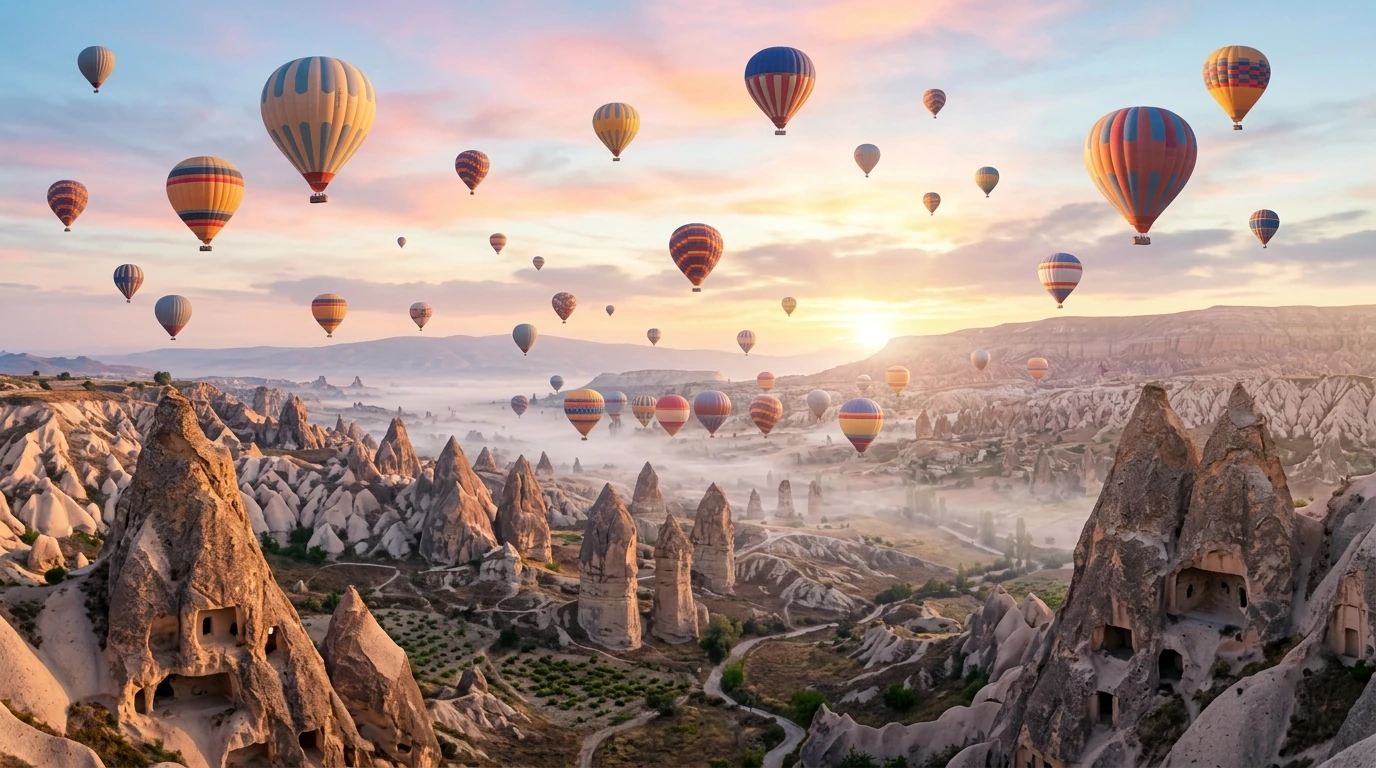
Table of Contents#
- Pre-Trip Prep: 2026 Turkey Travel Tips You Need to Know
- Day-by-Day 2-Week Turkey Itinerary: Ancient Cities, Coast, and Slow Moments
- Curated Quiet Morning Experiences to Slow Your Trip Down
- Hidden Gems Worth Detouring For
- Common Turkey Travel Mistakes to Avoid
- Final Takeaways
- References
Pre-Trip Prep: 2026 Turkey Travel Tips You Need to Know#
Before you book your flights, use these up-to-date tips to make your trip smooth and stress-free.
Best Time to Visit#
- Spring (April-June) and Autumn (September-October): Ideal for mild weather, fewer crowds, and lower prices for accommodation and activities. Perfect for exploring ancient ruins and hiking. Temperatures range from 68°F to 86°F (20°C to 30°C).
- Summer (July-August): Best for beach holidays on the Aegean and Mediterranean coasts, but expect high heat (up to 38°C/100°F) and larger crowds at inland historic sites.
Transportation#
- Intercity buses: Turkey has an excellent intercity bus network with companies like Metro Turizm, Kamil Koç, and Pamukkale offering comfortable, affordable routes between all major cities. Book tickets online or at bus stations (otogar).
- Domestic flights: Turkish Airlines and Pegasus offer frequent low-cost flights between major cities (e.g., Antalya to Cappadocia, Istanbul to Izmir) — book 2+ weeks in advance for the best fares.
- Local transport: All major cities have affordable public bus and metro systems. In Istanbul, get an Istanbulkart for seamless travel across trams, ferries, and metro.
Practical Essentials#
- Cash and card: Carry both. Small towns, village cafes, and street vendors rarely accept credit cards.
- Dress modestly: Pack a lightweight scarf and long pants or skirt — required for entry to mosques and religious sites.
- Learn basic Turkish phrases: Merhaba (hello), Teşekkür ederim (thank you), and Lütfen (please) — locals will go out of their way to help you if you make an effort.
- Bargain in bazaars: Start at 50% of the quoted price and meet in the middle. For example, if a vendor quotes 200 TL for a hand-painted Iznik tile, offer 100 TL and settle at 150 TL.
- Accept tea when offered: It's a sign of hospitality and a great way to connect with locals.
Day-by-Day 2-Week Turkey Itinerary: Ancient Cities, Coast, and Slow Moments#
This itinerary is optimized to balance sightseeing, relaxation, and minimal travel time between destinations. It is fully adjustable — add an extra beach day if you're a sun lover, or extend your time in historic sites if you're a history buff.
Days 1-3: Istanbul — Crossing Continents, History, and Street Food#

Istanbul is the only city in the world straddling Europe and Asia, and 3 days gives you enough time to explore its iconic sights without rushing.
-
Day 1 (European Side): Start early in Sultanahmet, the historic heart, to beat crowds. Visit the Blue Mosque (interior lined with 20,000 hand-painted blue tiles), Hagia Sophia, and the Basilica Cistern (look for the two Medusa head column bases) before 10am. Stop for a traditional Turkish breakfast — flatbread, multiple cheeses, olives, grilled halloumi, and jams — at a local family-run spot instead of a tourist restaurant. Spend the afternoon exploring the Grand Bazaar (4,000+ shops across 61 streets) and the Spice Bazaar, then head to Galata Tower for a 360-degree sunset panorama of the city.
-
Day 2 (Neighborhood Exploration): Wander the colorful, photogenic streets of Balat and Fener, stopping at the Bulgarian Iron Church (the world's only surviving cast-iron church) and sampling Ottoman-era sodas at local shops. Walk along the Karaköy waterfront and across the Galata Bridge, where fishermen cast their lines into the Golden Horn. Take a 2-hour Bosphorus cruise past Dolmabahçe Palace, Rumeli Fortress, and Maiden's Tower in the afternoon. End the day with a visit to the Yeni Cami (New Mosque), which offers richly decorated interiors without the Blue Mosque crowds.
-
Day 3 (Asian Side and Hidden Gems): Spend a quiet morning in Üsküdar, a traditional residential neighborhood on the Asian side, sitting at a waterfront tea garden and watching ferries cross the strait. Visit the Mihrimah Sultan Mosque, a stunning yet tourist-free gem. Head to Kadıköy in the afternoon to explore street art, indie bookstores, and cool cafés. Don't miss Binbirdirek Cistern (212 towering marble pillars, far fewer tourists than the Basilica Cistern) and Arasta Bazaar for high-quality handmade souvenirs. Visit Topkapi Palace to see the 86-carat Spoonmaker Diamond, jewel-encrusted swords, and the stunning Harem section with its intricate tilework. Cap the evening with a Testi Kebab — slow-cooked in a sealed clay pot, cracked open flaming at your table.
Days 4-5: Çanakkale and Troy — Legendary History and Coastal Views#
Take an early morning bus from Istanbul to Çanakkale (approximately 4-5 hours) to explore the region's ancient and modern history.
-
Day 4: Visit the ruins of Troy, the legendary city with 9 layers of civilization stacked on top of each other, dating back over 4,000 years. Look for remnants of ancient city walls and roads, and take a photo with the modern wooden horse replica. In the evening, walk along the Dardanelles waterfront and find a quiet tea garden to watch ferries glide between Europe and Asia.
-
Day 5: Visit the Gallipoli WWI battlefields, including ANZAC Cove, Lone Pine Cemetery, and Chunuk Bair — a sobering and deeply moving experience, especially for those with connections to the ANZAC story. The landscape itself is surprisingly beautiful, with rolling hills and sweeping views of the Dardanelles. Optional detour: stop in Bursa, a UNESCO World Heritage Site and former Ottoman capital, to see the Grand Mosque, the Kozi Han bazaar courtyard, and the Muradiye Complex with its stunning Iznik tiles.
Days 6-7: Izmir and Ephesus — Best-Preserved Ancient Roman City#
Travel from Çanakkale to Izmir by bus (approximately 5-6 hours), then base yourself in Selçuk, the gateway to Ephesus.
-
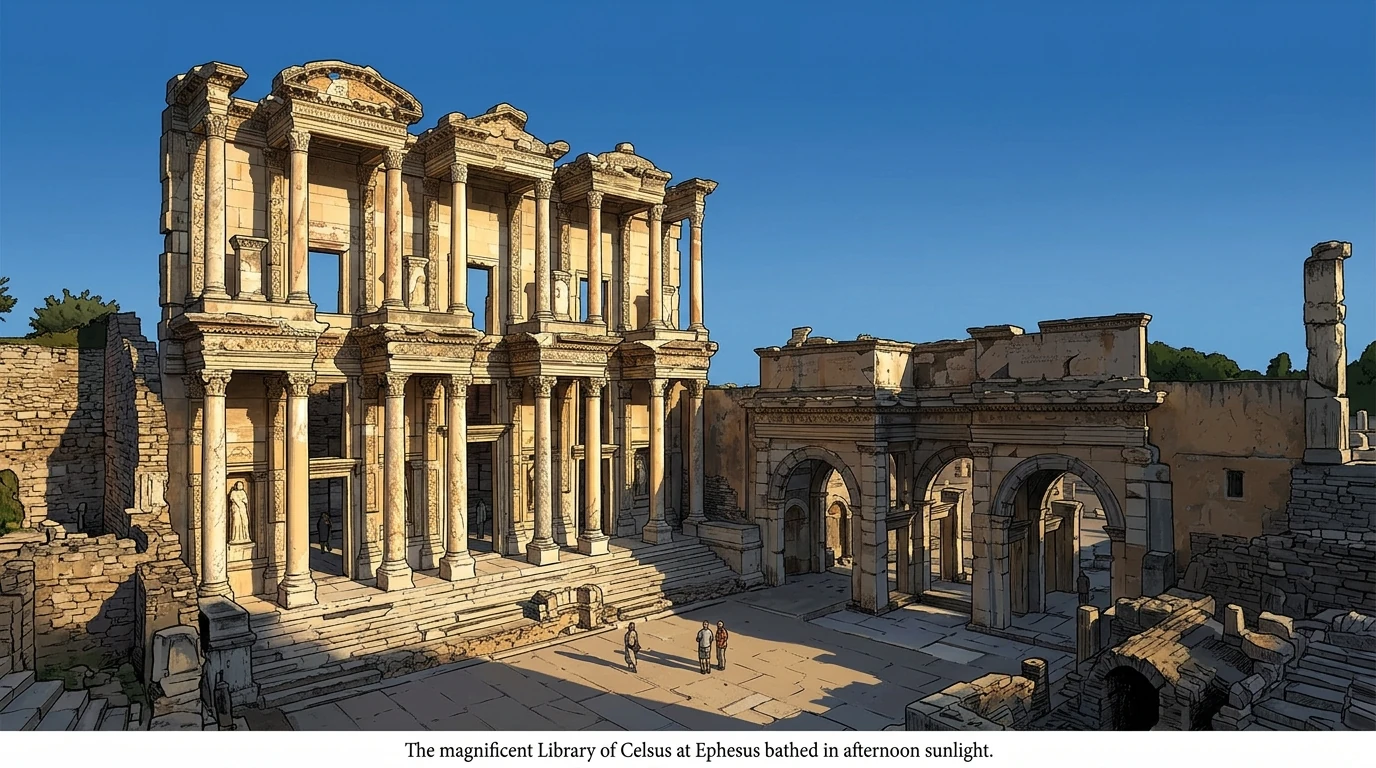
Day 6: Arrive at Ephesus at 8am sharp to avoid crowds and the 30°C+ midday heat (there's no shade in the complex). Explore the Library of Celsus — the iconic two-story structure, once one of the largest libraries in the ancient world and still jaw-dropping even in ruins. Walk down Curetes Street, lined with ancient shops, fountains, and surviving frescoes. Visit the 25,000-seat Grand Theatre where St. Paul once preached — the acoustics are so good you can whisper from the stage and be heard at the top. See the remains of the Temple of Artemis, once one of the Seven Wonders of the Ancient World (today only a single column remains, but knowing its history makes it worthwhile). Spend the afternoon at the Ephesus Museum in Selçuk to see statues and artifacts recovered from the site — and enjoy the air conditioning.
-
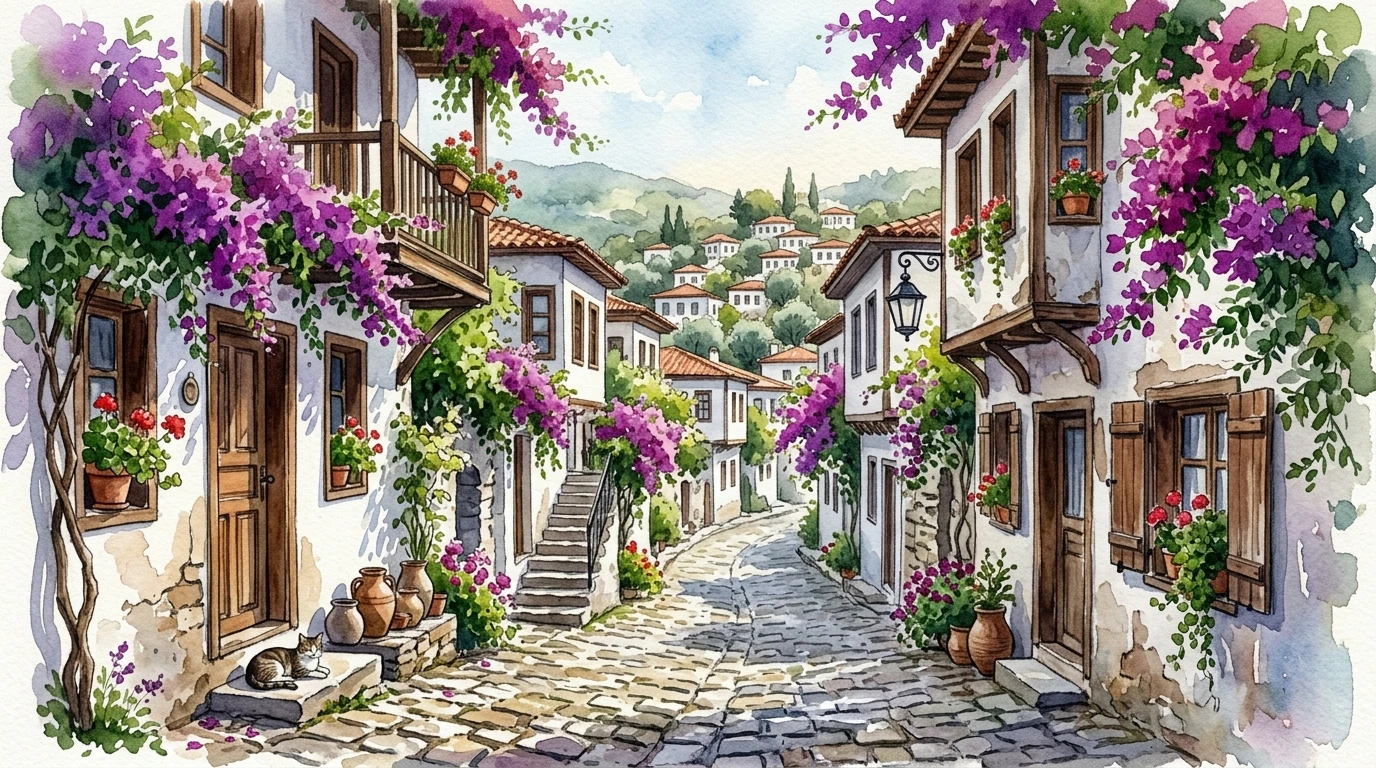
Day 7: Visit the Basilica of St. John in Selçuk, where the apostle is said to be buried, then take a 20-minute detour to the quiet village of Şirince for homemade gözleme (stuffed flatbread) and fresh pomegranate juice. Şirince is charming in the early morning before day-trippers arrive — wander the cobblestone streets, stop at a local bakery for fresh simit (sesame bread) and honey, and enjoy the peaceful atmosphere.
Day 8: Pamukkale — White Travertines and Ancient Spa City#
Take a bus from Selçuk to Denizli (approximately 3 hours), then a short shuttle to Pamukkale.
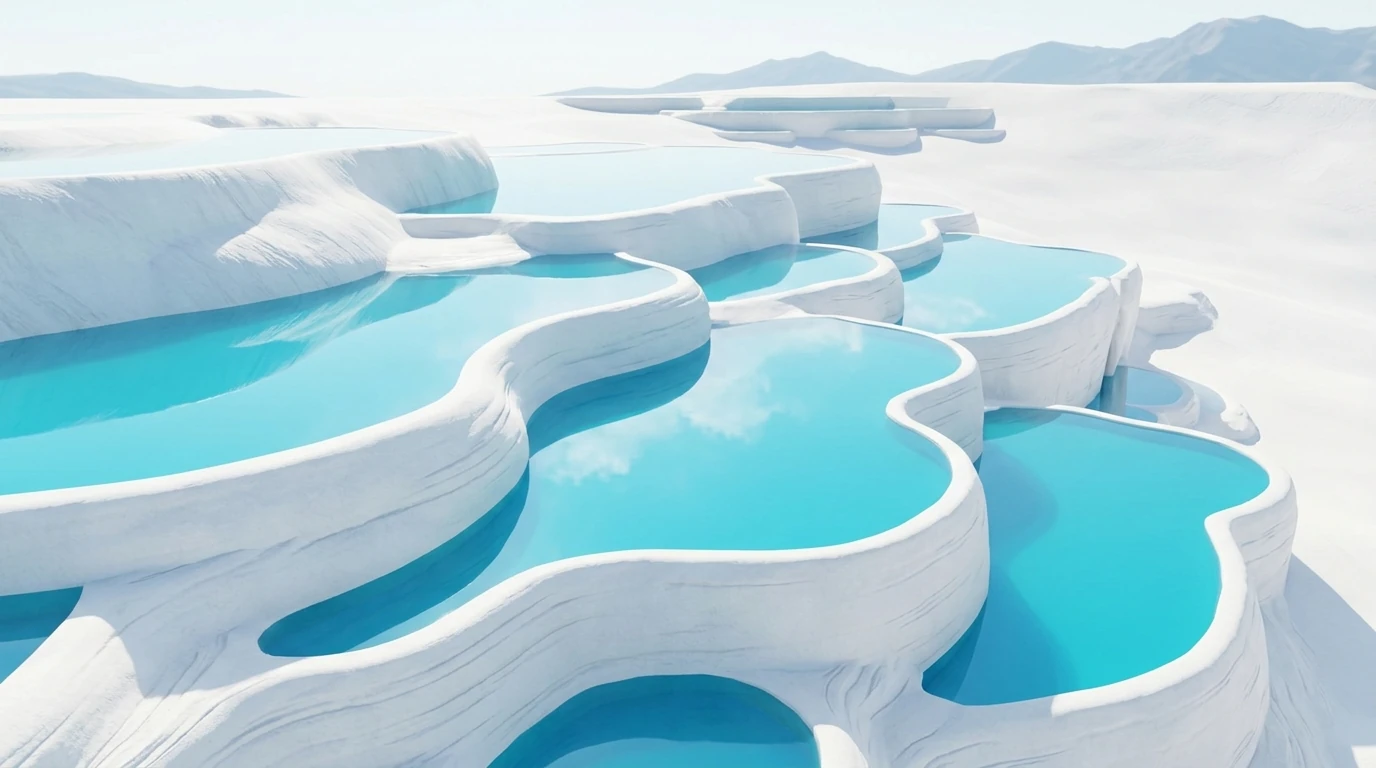
- Arrive early to see the dazzling white travertine terraces glow in the morning sun. Walk barefoot through the natural thermal pools — these limestone formations cascade down the hillside like frozen waterfalls, and the warm mineral-rich waters have been revered for their healing properties since ancient Greek times. Explore Hierapolis, the ancient Roman spa city built above the travertines, including its impressive 12,000-seat theatre and sprawling necropolis with ornate tombs. If you want to splurge, swim in Cleopatra's Pool, a warm mineral-rich pool filled with fallen Roman columns — you're literally swimming through history. The site is compact — 2 hours is enough to see all highlights, so you can head to Antalya in the late afternoon.
Days 9-10: Antalya — Gateway to the Turquoise Coast#
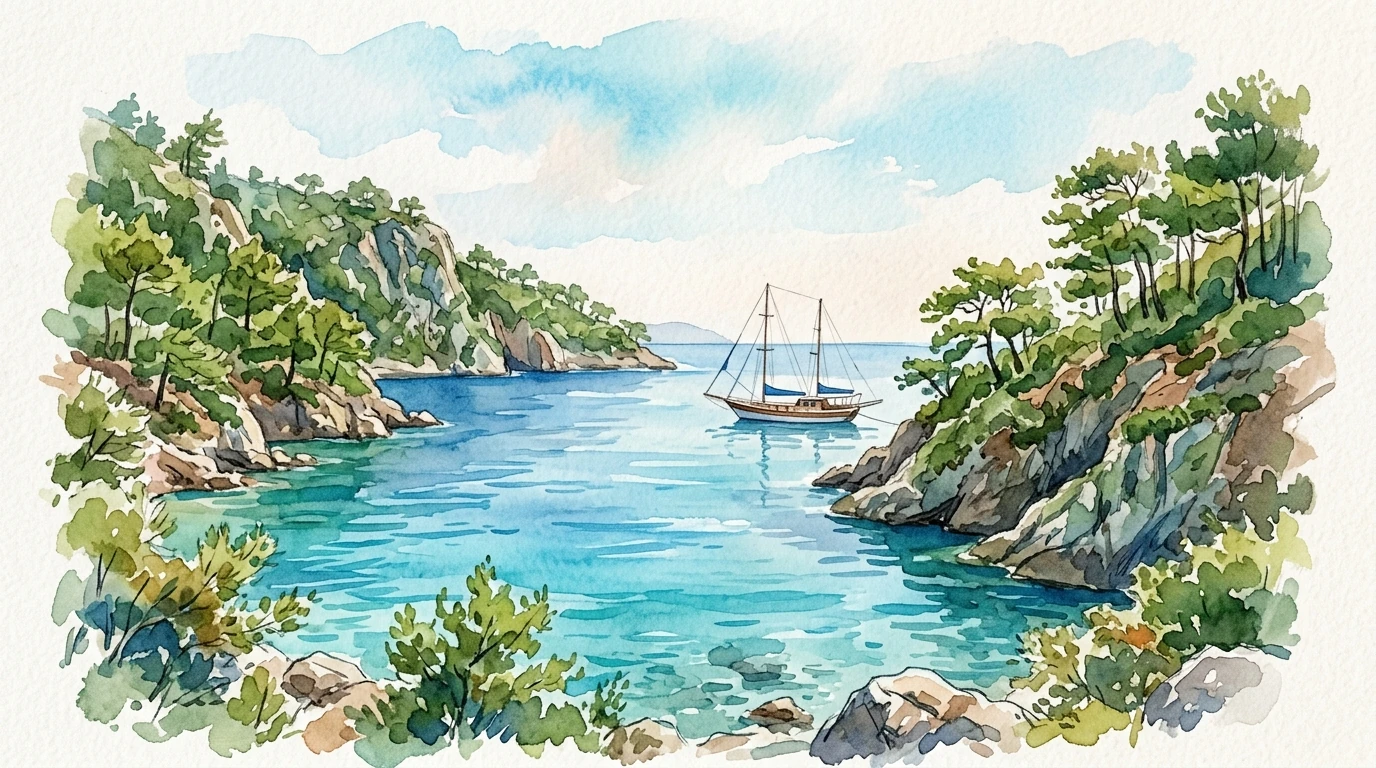
Antalya is the starting point for exploring the 320-mile Turquoise Coast, famous for its crystal-clear blue waters and dramatic mountain-backed coastline.
-
Day 9: Explore Antalya's old town (Kaleiçi): walk through Hadrian's Gate (built in the 2nd century AD), climb Hidirlik Tower for views of the Mediterranean, and wander the quaint cobblestone streets lined with Ottoman-era houses. End at the old marina for a meal watching the sunset. Spend the afternoon relaxing on Konyaaltı Beach, an 8km pebbled beach framed by the Taurus Mountains.
-
Day 10: Take a day trip to one of the nearby coastal villages:
- Kaş: A small, charming bohemian village with quiet cafés, whitewashed houses with terracotta roofs, and excellent snorkeling spots.
- Ölüdeniz Blue Lagoon: A postcard-perfect beach where you can paraglide off Babadağ Mountain for panoramic views of the turquoise coast — one of Turkey's most legendary experiences.
- Fethiye: Home to Lycian rock tombs carved into cliff walls (don't miss the Tomb of Amyntos, which you can enter) and access to the famous Lycian Way hiking trail.
Day 11: Konya — Sufi Culture and Whirling Dervishes#
Travel from Antalya to Konya (domestic flight or bus) to explore the heart of Turkish Sufism.
- Visit the Mevlana Museum, the mausoleum of the poet Rumi, with its iconic copper-green tower and exhibits about Sufi philosophy and the whirling dervish tradition. If you time your visit right, you can witness a mystic dance performance by whirling dervishes at the Mevlana Cultural Center — a mesmerizing spiritual experience. Stop at the Aziziye Mosque, a unique blend of Ottoman and Western architecture, and the Karatay Madrasa, with its dazzling domed ceiling and Seljuk tile displays. Spend a quiet hour in a local tea garden watching locals play backgammon and drink Turkish tea — Konya has a more traditional, less touristy atmosphere than other cities on this itinerary.
Days 12-13: Cappadocia — Surreal Landscapes and Cave Hotels#
Travel from Konya to Cappadocia (bus or fly to Kayseri, then 1-hour drive to Göreme).
-
Day 12: Wake up at 5am for a sunrise hot air balloon ride — the iconic Cappadocia experience. Float over hundreds of colorful balloons and the surreal landscape of fairy chimneys, rock formations, and hidden valleys as morning light filters through. After landing, explore the Göreme Open Air Museum, a complex of churches carved directly from the rock face with remarkably preserved 10th-12th century frescoes. Spend the afternoon hiking Love Valley (known for its distinctive rock spires) and Rose Valley, which glows pink at sunset. Stay in a cave hotel — carved from the soft tuff rock, these unique accommodations are a Cappadocia signature experience.
-
Day 13: Explore Kaymakli Underground City, a 3,000-year-old underground complex with narrow passageways that once sheltered thousands of people fleeing persecution. Hire a guide at the entrance for context about the different rooms — most are hard to identify without explanation. Be aware the passages are narrow and can feel claustrophobic. In the afternoon, climb Uchisar Castle, the region's highest point, for panoramic views of the entire Cappadocia landscape — it's visible for miles around.
- Day 14: Depart from Kayseri Airport, or take a flight back to Istanbul for your international departure.
Curated Quiet Morning Experiences to Slow Your Trip Down#
The best parts of a Turkey trip are often the unplanned slow moments. Add these to your itinerary for peaceful, memorable mornings:
-
Çıralı Beach Sunrise: Wake up at 6am in this quiet Antalya coastal village to walk the unspoiled beach and watch the sun rise over the Mediterranean, with ancient Lycian ruins visible at the end of the shore.
-
Ephesus Early Entry: Arriving at 8am means you'll have large sections of the ancient city almost entirely to yourself, with no crowds blocking photos or loud tour guides. The morning light on the Library of Celsus is spectacular.
-
Cappadocia Pre-Balloon Coffee: Sit on your cave hotel terrace 30 minutes before your balloon ride with a cup of thick Turkish coffee, watching the first balloons inflate and rise over the fairy chimneys.
-
Şirince Village Walk: Wander the cobblestone streets of this small village near Ephesus at 7am, before the day-trippers arrive, stopping at a local bakery for fresh simit and honey.
-
Dardanelles Waterfront Watching: Sit at a cheap tea garden in Çanakkale at sunrise, watching ferries glide between Europe and Asia across the strait — a simple but deeply peaceful experience.
-
Üsküdar Tea Time: Spend a quiet morning on Istanbul's Asian side, accepting tea from local vendors at a waterfront café. It's a sign of hospitality, and a great way to strike up a casual conversation with locals while watching the Bosphorus.
Hidden Gems Worth Detouring For#
If you have extra time, add these underrated spots to your itinerary:
-
Şirince Village (Near Ephesus): A charming hillside village with stone houses, local wine producers, and a peaceful atmosphere — far more relaxing than Selçuk.
-
Soganlı Valley (Cappadocia): About 1 hour from Göreme, this quiet valley has rock-cut churches and fairy chimneys with far fewer tourists than the main Cappadocia sites.
-
Lake Bafa (Near Ephesus): A tranquil lake surrounded by ancient ruins and olive groves, perfect for kayaking and slow hikes.
-
Butterfly Valley (Near Fethiye): A secluded natural wonder accessible only by boat, with waterfalls and hundreds of butterfly species in the spring.
-
Sumela Monastery (Trabzon): A 1,600-year-old cliffside monastery in the Black Sea region, with stunning frescoes and dramatic mountain views.
-
Amasra (Black Sea): A calm, charming fishing town with quiet beaches and Ottoman-era wooden houses, far from the crowds of the Mediterranean coast.
-
Ayvalık: A tranquil beach region on the Aegean coast, ideal for couples seeking a relaxed, authentic Turkish seaside experience.
Common Turkey Travel Mistakes to Avoid#
-
Booking hot air balloon rides last minute: Cappadocia balloon rides sell out quickly, especially in peak season. Book at least 3 weeks in advance to secure a spot and get the best price.
-
Only visiting the European side of Istanbul: The Asian side (Üsküdar, Kadıköy) has cheaper food, quieter neighborhoods, and a more authentic local vibe — don't skip it.
-
Wearing inappropriate clothing to religious sites: You will be turned away from mosques if your shoulders or knees are uncovered, or if you don't have a scarf to cover your hair (women). Always carry a lightweight scarf in your day bag.
-
Rushing the itinerary: Don't try to fit 10 cities into 2 weeks. This itinerary is designed to give you downtime and quiet moments — avoid adding too many extra stops or you'll spend more time on buses than actually experiencing Turkey.
-
Eating only in tourist restaurants: Walk 2-3 blocks away from major sites to find family-run restaurants with half the price and twice the flavor. In Istanbul, skip the overpriced cafés under the Galata Bridge.
-
Forgetting cash in small towns: Many village cafés, bazaar vendors, and local shops don't accept credit cards. Carry Turkish lira in cash at all times, especially outside major cities.
-
Arriving at Ephesus after 9am: By mid-morning, the ruins are packed with tour groups and the heat is intense. Arrive at the 8am opening for a far better experience.
-
Skipping Turkish breakfast: Turkey's breakfast culture is legendary — don't settle for a hotel buffet when you can have a full spread of fresh cheeses, olives, jams, flatbreads, and menemen at a local café.
Final Takeaways#
A two-week trip to Turkey is the perfect balance of adventure, history, relaxation, and slow, quiet moments. You don't have to choose between exploring ancient ruins, lounging on beautiful beaches, or immersing yourself in local culture — Turkey delivers all three, often in the same day. The key to a great trip is to avoid rushing, leave space for unplanned moments, and prioritize connecting with locals, who are some of the most welcoming in the world.
Whether you're watching the sunrise over Cappadocia's fairy chimneys from a hot air balloon, walking through the Library of Celsus in the cool morning light, or sipping tea at a quiet waterfront café in Çanakkale, Turkey has a way of slowing you down and making you pay attention to the world around you. Ancient cities, stunning coastlines, and quiet mornings — that's what two weeks in Turkey is all about.
References#
- Turkish Ministry of Culture and Tourism — Official Travel Guide
- UNESCO World Heritage Sites in Turkey
- Ephesus — UNESCO World Heritage Centre
- Lycian Way Official Hiking Guide
- Mevlana Museum — Official Website
- Göreme National Park and Rock Sites of Cappadocia — UNESCO
- Turkish Riviera — Wikipedia
- Rick Steves' Europe — Ancient Sites of Turkey