Imagine wandering narrow, cobblestone lanes lined with white-washed Ottoman mansions topped with terracotta red roofs, the sweet scent of saffron Turkish delight drifting from 17th-century bazaars, and golden sunset light spilling over hills that cradle one of Turkey's best-preserved historical secrets. That's Safranbolu: a UNESCO World Heritage gem often overlooked by travelers rushing between Istanbul, Cappadocia, and the Turquoise Coast, but worth every minute of your trip. Known as the "Fingerprint of the Ottomans" and the "City of Saffron", this Black Sea region town offers a rare window into 17th-century Ottoman life, with zero overcrowding and endless charm. This guide covers everything you need to plan your trip, from exploring iconic Ottoman houses to sipping saffron tea during magical cobblestone evenings.
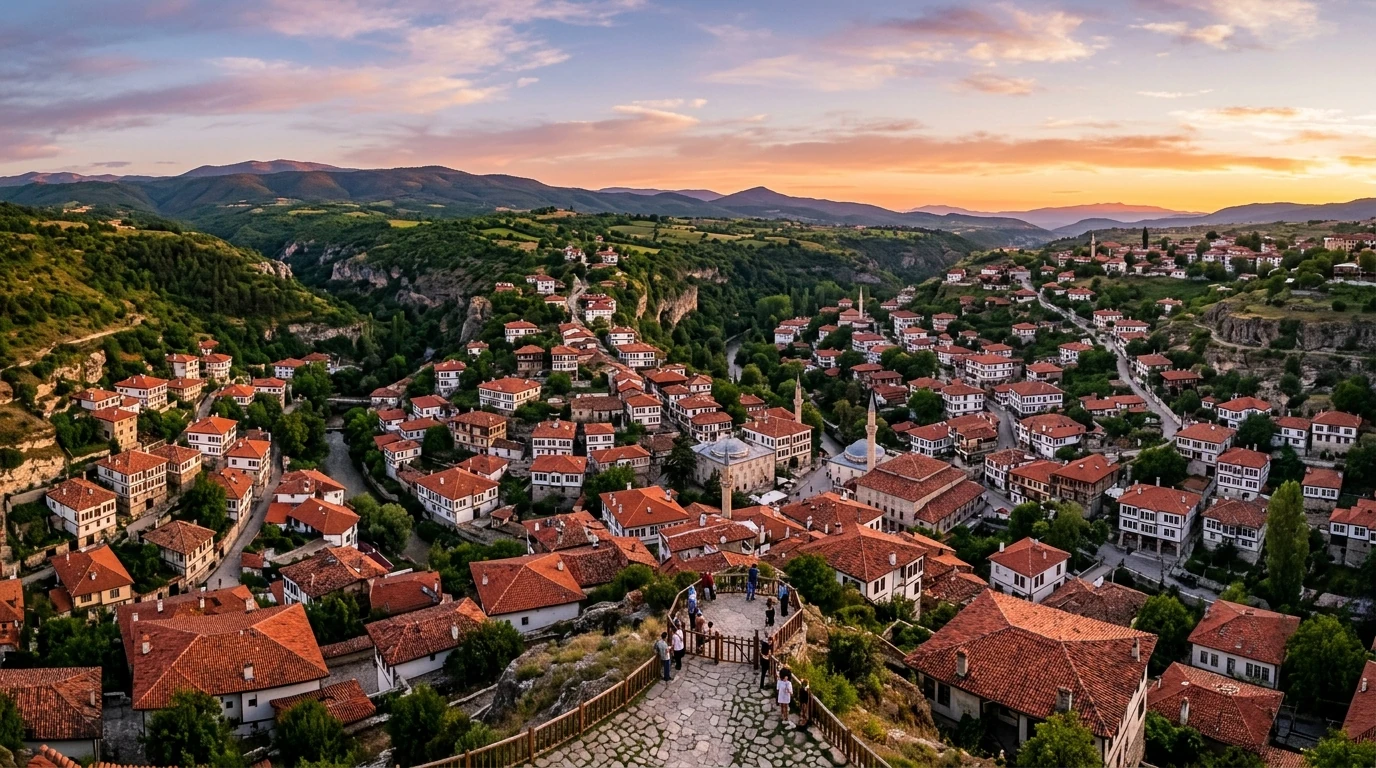
Table of Contents#
- Why Safranbolu Is One of Turkey's Most Underrated Heritage Towns
- Ottoman Houses and Architecture: What Makes Safranbolu's Buildings Unique
- Top 16 Safranbolu Attractions for Every Type of Traveler
- Saffron and Local Food: What to Eat, Drink, and Bring Home
- Getting to Safranbolu: Transport Options for 2026
- Best Time to Visit Safranbolu: Seasonal Breakdown and Practical Tips
- Where to Stay in Safranbolu: Boutique Konaks and Unique Accommodation
- Pro Tips for a Stress-Free Safranbolu Trip
- Final Takeaways
- References
Why Safranbolu Is One of Turkey's Most Underrated Heritage Towns#
Located in Karabük Province in Turkey's Black Sea region, Safranbolu was added to the UNESCO World Heritage List in 1994 for its exceptionally well-preserved Ottoman-era urban planning and architecture. The town's history stretches back to 3000 BC in the ancient Paflagonian region, with its earliest surviving public monuments — the Old Mosque, Old Bath, and Süleyman Pasha Medrese — dating to 1322.
At its peak in the 17th century, Safranbolu's urban design influenced construction across the entire Ottoman Empire, making it a living museum of pre-modern Turkish life. Unlike other historic Ottoman towns that have been heavily commercialized, Safranbolu retains its slow, small-town vibe, with local artisans still practicing traditional crafts passed down through generations.
The name "Safranbolu" itself comes from the saffron crocus that has been cultivated in the region for centuries. The town sat along the ancient Silk Road trade route, serving as a vital hub where merchants rested in fortified caravanserais before continuing their journeys across Anatolia. That legacy of trade, craftsmanship, and architectural excellence is what you walk through today.
Ottoman Houses and Architecture: What Makes Safranbolu's Buildings Unique#
Safranbolu's 17th-18th century Ottoman houses are the star of the show, admired globally for their elegant simplicity, harmonious proportions, and exceptional craftsmanship. Over 1,200 historic monuments are packed into this small town, including 25 mosques, 5 hammams, 3 caravanserais, and hundreds of intact Ottoman houses.
Core Design Elements#
- Quarter separation: All traditional houses are split into a selamlık (men's public quarters for hosting guests) and harem (private family quarters for women and children). Only the wealthiest families had separate buildings for each.
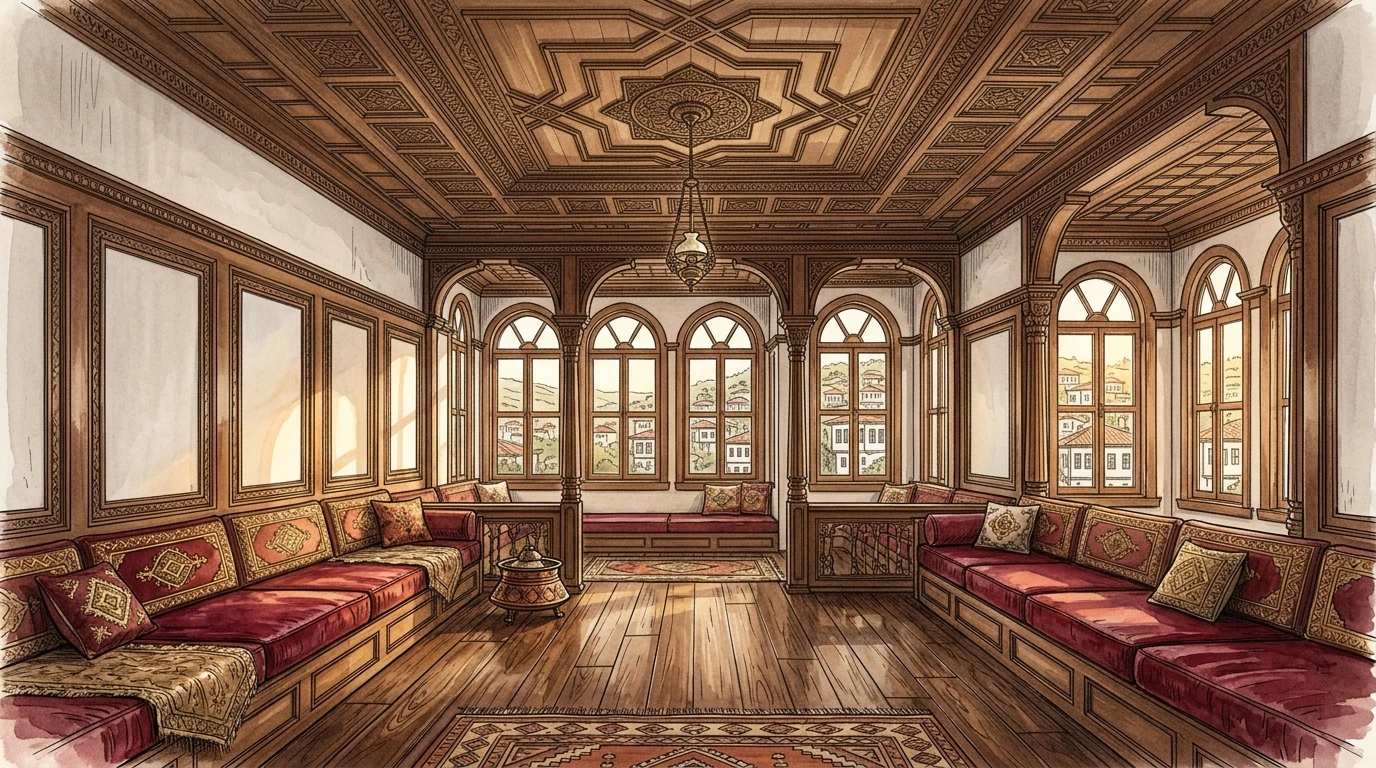
- Material use: Ground floors are built of thick stone for insulation and structural stability, while the upper one or two floors are made of lightweight wood and mud bricks with elaborate carved wooden interiors. This combination made the houses resistant to earthquakes.
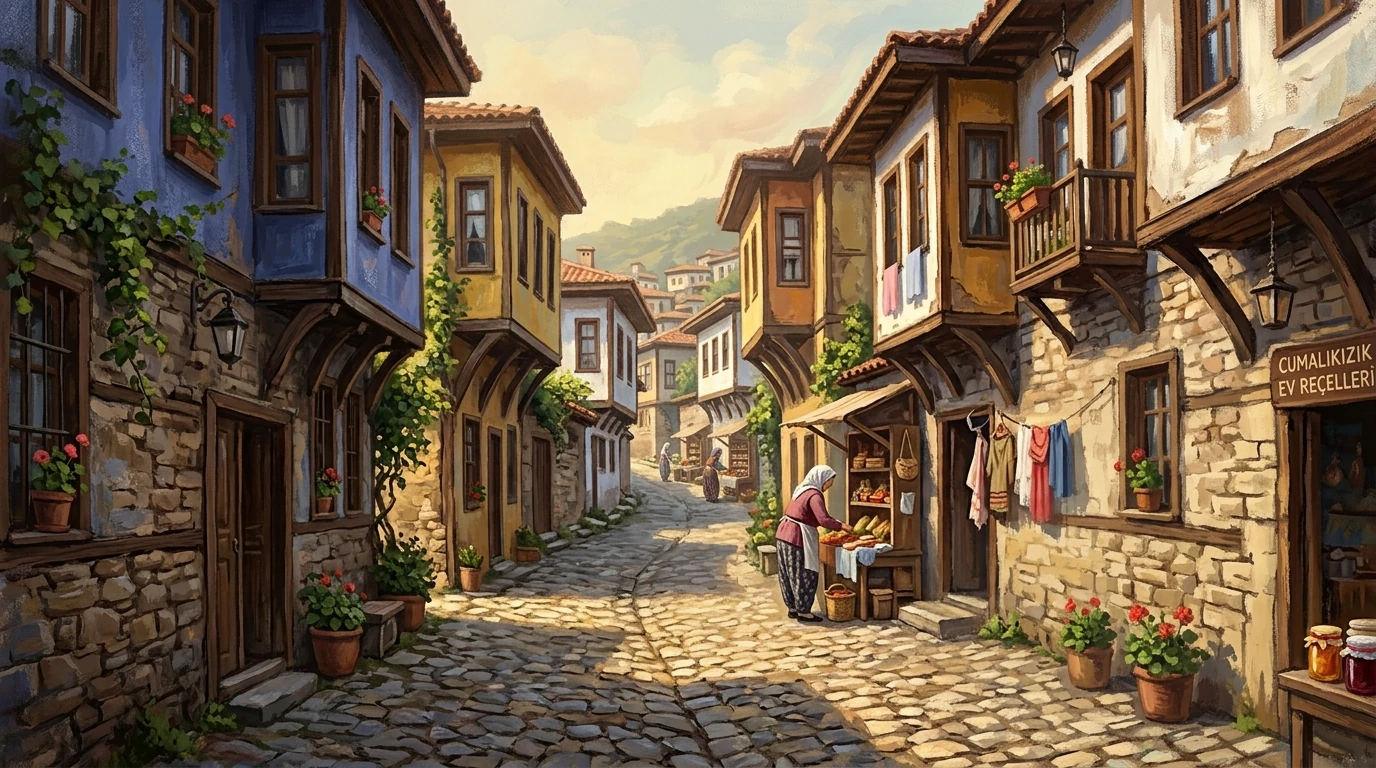
- Cumba architecture: Iconic protruding Ottoman bay windows that extend over narrow cobblestone streets to maximize natural light in upper floors without taking up public street space. This is a signature feature seen throughout the old town.
- Eco-friendly design: Often called "original eco-mansions," the houses feature natural cross-ventilation and thick stone walls that keep interiors cool in summer and warm in winter. According to BBC Travel, these 300-year-old houses were engineered with passive climate control techniques that rival modern green building standards.
- Signature aesthetic: White lime-washed walls and curved red-tiled roofs line every street, with the entire town tucked into a steep ravine flanked by forested hills.
The houses were built to reflect the social status of their owners. Wealthier families used higher-quality timber, more intricate wood carvings, and larger cumba windows. Many interiors feature painted ceilings, ornamental niches, and built-in cupboards that served as early forms of modular furniture.
Top 16 Safranbolu Attractions for Every Type of Traveler#
Old Town and Historic Core Attractions#
1. Hıdırlık Hill (Tepesi)
The best panoramic viewpoint in Safranbolu, with unobstructed views of the entire old town's red roof skyline. It's the most popular sunset spot in town, so arrive 30 minutes before golden hour to grab a spot. Thought to be one of the first places where the Turks settled in the region, the hill is now a public park. Entrance fee: TRY 5. Pro tip: Bring a picnic of saffron lokum and tea to enjoy while you watch the sun go down.
2. Cinci Hamam
A perfectly preserved 17th-century Turkish bath built in 1645, with traditional marble interiors, a sauna, hot room, and cold room. The hamam was built by Cinci Hoca, a powerful figure who served as Kazasker (military judge) during the reign of Sultan Ibrahim I. Unlike many Turkish baths that have separate hours for men and women, the Cinci Hamam has two completely separate bathing areas. Men can visit from 6 AM to 11 PM, while women have their time from 9 AM to 10 PM. The full package (kese scrub, foam massage, and cold drink) costs approximately TRY 240. Common mistake to avoid: Assuming you can show up at any time — check the gender-specific hours before visiting.
3. Cinci Han Caravanserai
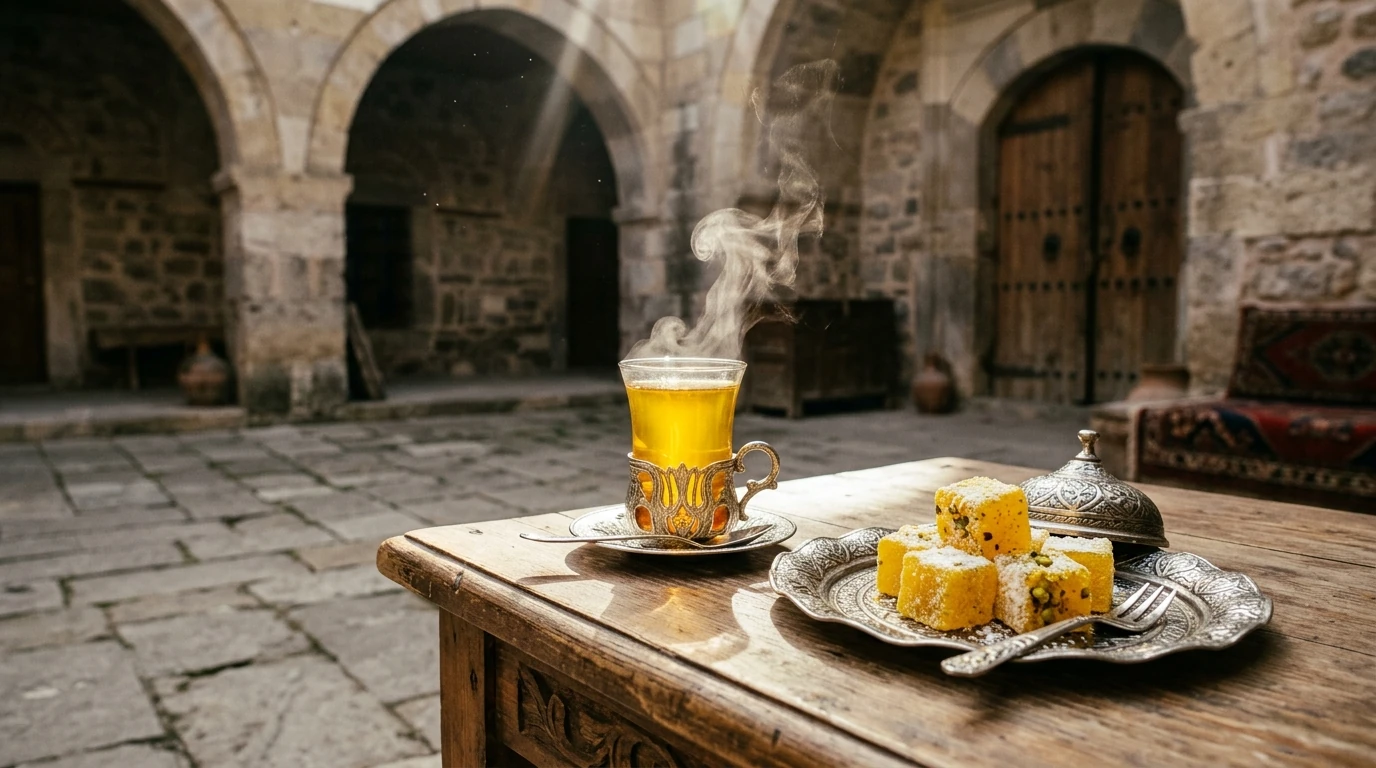
Built in 1645 as a stop for Silk Road merchants, this thick-walled caravanserai has an open central courtyard where you can order tea or coffee served on traditional golden trays for approximately TRY 30. The atmosphere is quiet and evocative — you can almost hear the echoes of camel caravans. You can also stay overnight in its historic guest rooms on the upper level for a once-in-a-lifetime Silk Road experience. Entrance is free.
4. Kaymakamlar Evi Museum
A perfectly restored upmarket Ottoman house turned museum, with original furniture, textiles, and household items that show how wealthy Safranbolu families lived in the 18th century. The house is a classic example of the selamlık-harem division and showcases the cumba window design in its most refined form. Entrance fee: TRY 15.
5. İzzet Mehmet Paşa Mosque
Built in 1661, this is Safranbolu's most splendid mosque. Constructed entirely of cut limestone, it features a distinctive helmet-shaped dome, a Baroque-style marble minbar, intricate calligraphy patterns, cool blue and green stained-glass windows, and a plush red carpet interior. The mosque is named after İzzet Mehmet Pasha, a grand vizier of the Ottoman Empire who once lived in Safranbolu.
6. Köprülü Mehmet Paşa Mosque
Famous for its hand-painted calligraphy with hidden optical illusions, done in subtle shades of grey, white, brown, and red that shift depending on where you stand in the prayer hall. The elegant minbar and grand dome are highlights. An easy way to distinguish it from the İzzet Mehmet Paşa Mosque is by its red tile roof (versus the grey metal helmet-shaped roof of the other).
7. Yemeniciler Arasta
An old guild bazaar with 48 wooden shops adjacent to the Köprülü Mehmet Paşa Mosque, originally dedicated to selling yemeni (traditional heelless leather shoes). The restored bazaar is a gorgeous example of Ottoman commercial architecture. Today you'll find shops selling saffron products, handwoven textiles, wooden house models, and souvenirs. The coffee shop Giykasuk in the arasta serves excellent Turkish coffee prepared between hot coals.
8. Demirciler Arasta (Blacksmiths Bazaar)
The only living guild bazaar in Safranbolu, located along the Akçasu Stream on both sides of the water. Traditional blacksmiths still practice their craft here, making copper pots, iron hooks, and custom metal souvenirs right in front of visitors. In the past, each handicraft had its own dedicated arasta, but the blacksmiths are the last to have preserved their trade in its original location.
9. Tankhane Müzesi (Leather Museum)
Located along the Akçasu Stream, this museum celebrates Safranbolu's historic leather tanning industry. At its peak around the 1800s, the town had 84 tanneries operating, making it one of Turkey's leading leather suppliers from the Seljuk to Ottoman eras. The surrounding area features a historic Ottoman bridge, tea gardens, and atmospheric guesthouses perfect for a midday break. The cafe on the large balcony of the historic tannery offers lovely views over the arched bridge.
10. Zafranbolu Airplane
A rare Breguet 19 A-2 model plane from 1931, donated by Safranbolu locals during campaigns to support the Turkish War of Independence. The plane served in the Turkish Air Force for five years before returning to Safranbolu. It's displayed across the street from the Martyrs Monument, positioned as if taking off over the town. A small but fascinating stop for aviation and military history enthusiasts.
Nature and Outdoor Attractions#
11. Kristal Teras (Crystal Terrace)
A glass viewing platform suspended 80 meters above the Tokatlı Canyon, with unobstructed views of the gorge and surrounding forest. It's a favorite spot for photographers and thrill-seekers alike. A zip line crossing the canyon is also available when operational. Entrance fee: TRY 20.
12. İncekaya Aqueduct
An 18th-century stone aqueduct with 6 arches, stretching 116 meters long and standing 60 meters above the canyon. It was constructed to supply water to Safranbolu, including the more than 80 tanneries that once operated in the town. Entrance is free, and it's a popular photography spot just a few hundred meters from the Crystal Terrace.
13. Tokatlı Canyon
A scenic canyon with a 20-minute wooden walkway leading down to the canyon floor, following a stream gushing down the mountain. At the bottom, shady trees, crystal-clear ponds, and a small casual cafe await. The walk down is spectacular, and the shaded valley floor is a refreshing escape on warm days. Entrance fee: TRY 20.
14. Bulak (Mencilis) Cave
A 6-kilometer-deep cave located 8 kilometers from Safranbolu, with 500 meters of walkways open to tourists. The cave has stunning stalactite and stalagmite formations and stays a cool 12°C year-round, making it a great escape from summer heat. The road to the cave is well-maintained and scenic.
15. Yörük Village
An open-air ethnography museum located 20 kilometers from Safranbolu, showcasing the traditional nomadic culture of the Black Sea region's Yörük people. Visitors can see traditional tents, handicraft demonstrations, and local food stalls. It's a worthwhile half-day trip if you have your own transportation.
Museum Attraction#
16. Kent Tarihi Müzesi (City History Museum)
A bright yellow 1904 mansion perched on a hill above the town, with exhibits covering Safranbolu's history. It also houses the Anatolia Miniature Clock Towers Museum — 15 detailed replicas of historic clock towers across the region, built in 1901 to commemorate Sultan Abdul Hamid II's reign. A working clock tower from 1797 is located behind the museum. The panoramic viewpoint from the museum grounds is one of the best in town, offering sweeping views over the Old Town and the neighborhoods on the other side of the hill. Even if the museum is closed, the grounds and views are worth the hike.
Saffron and Local Food: What to Eat, Drink, and Bring Home#
Safranbolu gets its name from the saffron crocus that has been grown in the region for centuries. The town sits near the historical spice trade route of the Silk Road, and saffron production remains unique to this area of Turkey. Saffron is used in everything from tea and coffee to rice, soap, and the town's famous Turkish delight.
Must-Try Dishes and Snacks#
- Saffron lokum (Turkish delight): The town's signature souvenir, with popular varieties including pure saffron, kaymaklı (clotted cream), and rolled lokum stuffed with pistachios, goji berries, and tahini-chocolate. Kemer Lokum Sekerleme is a well-regarded family shop that offers free samples.
- Peruhi: A local version of ravioli, stuffed with ground meat or cheese and served with yogurt and melted butter. This is a dish unique to Safranbolu that you won't easily find elsewhere in Turkey.
- Gözleme: Stuffed flatbread cooked on a griddle, with fillings including cheese, spinach, potato, and minced meat. Aunt Şerife at Kahvehan Safranbolu is a local legend for her gözleme.
- Saffron tea and coffee: Available at tea houses throughout the old town, especially at the Cinci Han courtyard.
Top Restaurant Picks#
| Restaurant | What to Order | Vibe |
|---|---|---|
| Taşev | Grilled lamb and peruhi | 200-year-old Ottoman house with garden dining and wine |
| Tuzcu Han | Cheese peruhi and chicken kebab | Scenic views of the Akçasu Stream |
| Peron | Steak and local sausage | Train-themed steakhouse with theatrical tableside service |
| Çorbacı Safran Lezzet Sofrasi | Lentil soup and köfte soup | Casual, budget-friendly spot for a hearty meal |
| Kahvehan Safranbolu | Aunt Şerife's gözleme and saffron tea | Traditional coffee house with outdoor seating |
Getting to Safranbolu: Transport Options for 2026#
- From Istanbul: Approximately 4.5 hours by car, or approximately 8 hours by intercity bus from Istanbul Central Bus Station. Several bus companies operate this route daily.
- From Ankara: Approximately 3 hours by intercity bus (148 miles / 238 km), with multiple daily services running between Ankara and Karabük.
- Final leg: All intercity buses stop in Karabük, 10 km south of Safranbolu. From there, you can take a shared dolmuş minibus to Safranbolu's old town.
- Pro tip: Rent a car if you plan to visit out-of-town attractions like Bulak Cave, Yörük Village, or Tokatlı Canyon, as public transport to these spots is infrequent. Most hotels offer free parking for guests.
Best Time to Visit Safranbolu: Seasonal Breakdown and Practical Tips#
Ideal Seasons#
- Spring (April–May): Mild temperatures (15–25°C), blooming wildflowers and fruit blossoms, and minimal crowds. This is the most popular time to visit. The spring blossoms in April are particularly beautiful.
- Autumn (September–October): Cool, crisp weather, golden fall foliage, and lower hotel prices than peak spring.
- Summer (mid-June to early September): Warm weather (25–35°C) perfect for hiking Tokatlı Canyon, but can be busy with domestic tourists.
- Winter: Cold and occasionally snowy, but the Ottoman houses look magical under a dusting of snow. Fewer tourists and lower prices.
Practical Tips#
- Footwear is non-negotiable: The town's streets are steep, uneven cobblestones. Wear closed-toe walking shoes with good grip — flip flops or thin sandals will leave you with blisters or at risk of slipping.
- Timing your visit: Most shops open after 11 AM, so plan early mornings for hiking or visiting viewpoints, and late afternoons for browsing the bazaars. Early morning or late evening visits also help you avoid midday heat and crowds.
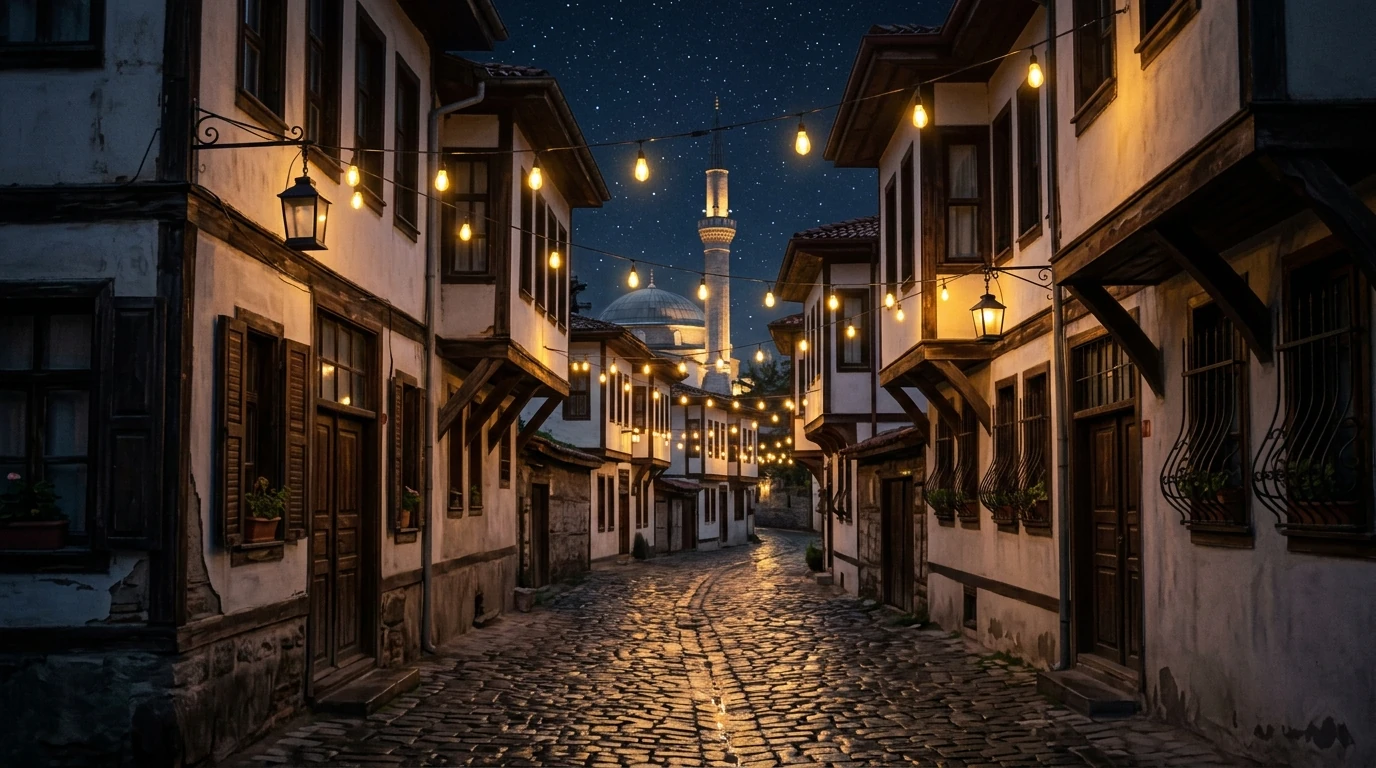
- Stay for the evenings: The cobblestone streets are lit with warm string lights after dark, and the old town becomes almost empty of tourists, making it the perfect time for a leisurely walk or late-night saffron tea at a local coffee house. This is when Safranbolu's charm truly comes alive.
Where to Stay in Safranbolu: Boutique Konaks and Unique Accommodation#
The most popular accommodation options in Safranbolu are boutique konaks: restored Ottoman mansions with an average of 10 rooms, offering cozy, historic stays with modern amenities. Each room is typically decorated with traditional wooden furniture and textiles. Top picks include:
- Gunes Konak — Friendly, English-speaking host; fantastic breakfast spread; beautiful views; free parking at the front door.
- Hanedan Konak Otel — Highly rated all-inclusive option with extensive amenities.
- Peri Konak — Historical Ottoman house in the heart of the old town.
- Gulevi Safranbolu Hotel — Ottoman-style boutique mansion experience.
- Cesmeli Konak — 20 air-conditioned rooms, each uniquely designed with different architectural styles.
- Arifbey Konak — A 250-year-old mansion with original wood carvings and fireplaces.
For a one-of-a-kind stay, you can also book a room at the Cinci Han Caravanserai, where the upper-level rooms remain guestrooms just as they were in the Silk Road days.
Pro tip: Book konaks 2–3 months in advance for April, May, September, and October stays, as they sell out quickly.
Pro Tips for a Stress-Free Safranbolu Trip#
- Bring cash: Many small bazaar shops, tea houses, and family-run restaurants do not accept credit cards.
- Respect local customs: Cover your shoulders and knees, and remove your shoes, when entering mosques.
- Allocate at least 2 full days: One day for exploring the old town, museums, and bazaars, and one day for outdoor attractions like Tokatlı Canyon and İncekaya Aqueduct. Four days is ideal if you want to include Yörük Village and Bulak Cave.
- Don't haggle unnecessarily: Most small shops have fixed, fair prices, especially for food and handcrafted goods.
- Try the hamam early in your trip: A visit to the Cinci Hamam on your first day will soothe your muscles and prepare you for days of walking on cobblestones.
- Combine with a Black Sea road trip: Safranbolu pairs well with stops in Amasra (a coastal town on the Black Sea) and the wider Karabük region. Driving from Istanbul allows you to explore the scenic route.
Final Takeaways#
Safranbolu is far more than a quick day trip stop. It's a living, breathing museum of Ottoman life, with world-class architecture, delicious local food, and stunning natural scenery just a short drive from the old town. Whether you're a history buff, foodie, nature lover, or just looking for a quiet escape from Turkey's busier tourist spots, Safranbolu's cobblestone evenings and iconic Ottoman houses will leave you wanting to come back for more.
Walk its lanes at sunset. Sip saffron tea in a 400-year-old caravanserai. Let the weight of history settle around you. Safranbolu doesn't rush, and neither should you.
References#
- City of Safranbolu — UNESCO World Heritage Centre — Official listing with historical and architectural details.
- Safranbolu — Official Turkish Government Tourism Site — Visitor information and heritage descriptions.
- Turkey's 300-Year-Old Eco-Mansions — BBC Travel — Feature on the sustainable design of Safranbolu houses.
- Safranbolu Travel Guide — Turkish Airlines Blog — Practical tips and attraction overviews.
- Traditional Safranbolu Houses — Best Turkey Tour — Architectural analysis of Ottoman house design.
- Houses of Safranbolu — KÜRE Encyclopedia — Detailed breakdown of house features and lifestyle connections.
- Safranbolu Travel Guide — Museum of Wander — First-hand travel account with practical recommendations.