If you're tired of crowded Turkish Mediterranean beach resorts and overhyped tourist hotspots, let me introduce you to Rize: Turkey's mist-shrouded tea capital, where rolling green tea hills tumble down to the Black Sea, 20-minute rain showers pass as quickly as they arrive, and every local will offer you a cup of steaming amber tea before you even say hello. Long only accessible via a 19-hour bus ride from Istanbul, the 2022 opening of Rize-Artvin Airport has put this magical eastern Black Sea gem on the map for travelers craving unspoiled nature, rich cultural traditions, and some of the most stunning valley views in the world. This guide covers everything you need to plan your trip: from the best tea gardens to visit to how to stay dry (and happy) during those famous rain showers, plus hidden natural attractions you won't find on TikTok.
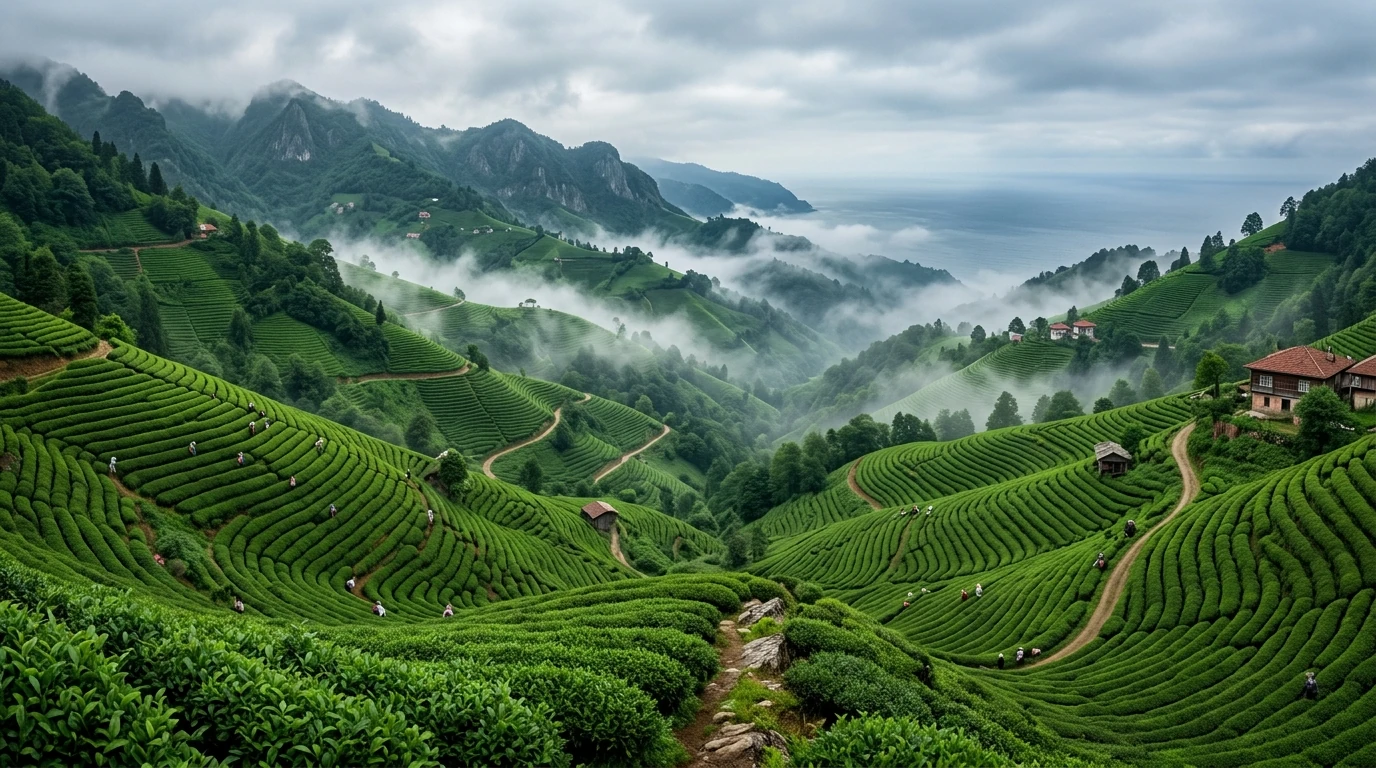
Table of Contents#
- What Makes Rize Turkey's Fairytale Coastal Gem?
- Rize Climate 101: Why Rain Is Part of the Magic (Plus Packing Tips)
- Exploring Rize's Legendary Tea Gardens & Local Tea Culture
- Unmissable Natural Attractions: Green Valleys, Mountains & Hidden Gems
- Practical Rize Travel Tips for a Stress-Free Trip
- How to Get to Rize (2026 Accessibility Update)
- Final Takeaways: Is Rize Right For You?
- References
What Makes Rize Turkey's Fairytale Coastal Gem?#
Rize is a small coastal city in Turkey's eastern Black Sea region, widely known as the country's tea capital. Home to 119,828 residents (2021 data), the city is tucked between the Black Sea's small bay and the steep, forested slopes of the Pontic Alps, creating a dramatic landscape of endless green hills and misty peaks.
Since tea cultivation was scaled up in the 1940s, Rize has produced 70% of Turkey's total tea supply, and the crop defines every part of local life. Media outlets have celebrated its unspoiled charm for years:
- The Guardian calls Rize "Turkey's fairytale north-east", a world away from the country's popular beach resorts
- National Geographic highlights its small-scale, hand-harvested tea production as a model of sustainable agriculture
- CNN has named Rize Turkey's official tea capital, noting its rolling hills are one of the most underrated natural sights in West Asia
Unlike many Turkish tourist destinations, Rize has retained its traditional identity, with local families still practicing centuries-old farming, beekeeping, and cooking traditions.
Rize Climate 101: Why Rain Is Part of the Magic (Plus Packing Tips)#
Rize is Turkey's wettest region, with a humid subtropical climate that delivers 2300mm (90.5 inches) of rainfall annually – more than twice the rainfall of London. Many travelers worry about rain ruining their trip, but locals will tell you the rain is exactly what makes Rize's valleys so impossibly green.
Key Climate Stats (2026 data from climatestotravel.com):#
| Metric | Details |
|---|---|
| Winter average (February) | 7.4°C (45.3°F, mild, no snow at sea level) |
| Summer average (August) | 24.6°C (76.3°F, warm, no extreme heat) |
| Wettest month | October (307.3mm of rain) |
| Driest month | April (90.5mm of rain) |
| Annual sunshine hours | 1,500 (fewer than London and Paris) |
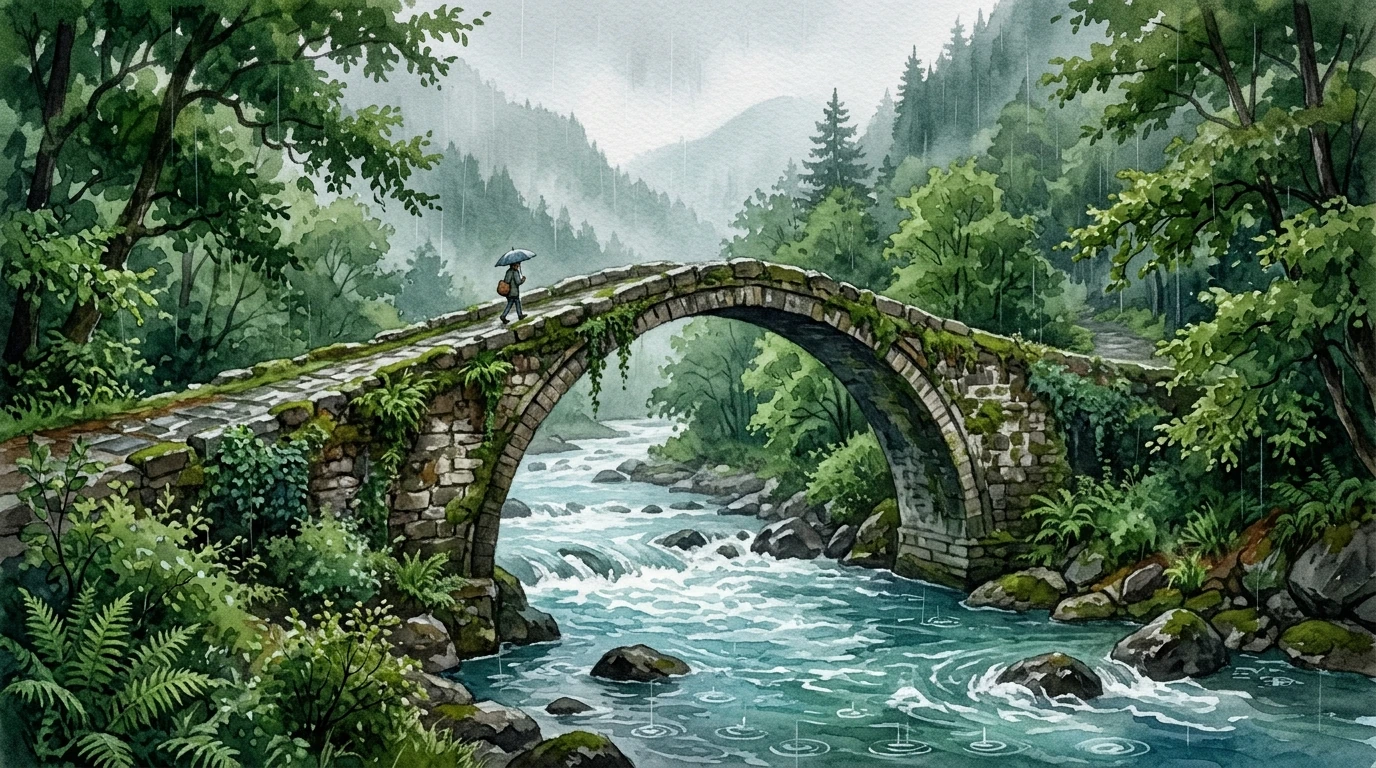
During summer months, most rain showers last 15-30 minutes, then dissipate to leave thin wisps of mist trailing across tea garden hilltops – perfect for photos.
Common Mistake to Avoid:#
Don't skip Rize because of rain! Pack a lightweight, packable waterproof jacket and non-slip shoes, and you'll be able to enjoy the scenery no matter the weather.
Exploring Rize's Legendary Tea Gardens and Local Tea Culture#
Tea was first brought to Rize in the 1920s by agricultural leader Zihni Derin, and today the state-owned national tea company Çaykur is headquartered in the city. Tea picking season runs from May to October, and this is the best time to visit to see workers in bright headscarves harvesting leaves by hand.
Top Tea Garden Regions to Visit:#
Each region has its own unique offerings for travelers:
-
Çayeli: The most popular tea garden area, with rolling hills that slope right down to the Black Sea. Stop at one of the cliffside tea houses for a cup of tea with unbeatable sea and greenery views.
-
Pazar: Famous for traditional tea brewing techniques passed down through generations. Visit local family tea gardens to watch elders brew tea over wood fires, and learn how to taste the difference between first and second harvest tea.
-
Ardeşen: The best spot for a hands-on tea picking experience. For a small fee (≈€5 per person), local farmers will teach you to pick only the top two leaves and a bud (the highest quality tea), and you'll get a free pack of the tea you harvest to take home.
-
İkizdere: High-altitude organic tea gardens, producing some of the most expensive and flavorful Rize tea available. Buy directly from farmers to avoid inflated tourist prices.
How to Brew Rize Tea Like a Local:#
Tea is a way of life in Rize, not just a drink. Follow this traditional method to make it at home after your trip:
- Use a two-tiered Turkish teapot (çaydanlık)
- Add 2 tablespoons of loose Rize tea to the top pot
- Boil fresh water in the bottom pot
- Pour a small amount of boiling water over the tea leaves in the top pot, then let steep for 10 minutes
- Serve by pouring ⅓ glass of concentrated tea, then top with hot water from the bottom pot. Add sugar to taste (locals often take 2-3 cubes!)
Pro Tip:#
If a local invites you to their home for tea, it is considered extremely rude to refuse. Even if you're not thirsty, accept at least one small cup, and hold the glass by the rim to avoid burning your fingers.
Unmissable Natural Attractions: Green Valleys, Mountains and Hidden Gems#
Rize's landscape is made up of lush green valleys, snow-capped mountains, and hidden waterfalls, with enough activities to keep you busy for a week or more.
1. Fırtına Valley (Storm Valley)#
This 68km long valley cuts through the Pontic Alps, with a fast-flowing river running past tea plantations, 17th-century stone arch bridges, and dozens of small waterfalls. It's the most popular spot for adventure activities: white water rafting, zip-lining, and horse riding are all available here for less than €20 per person.
2. Kaçkar Mountains#
Part of the Pontic Alps, the Kaçkar range reaches 3,937 meters at its highest peak, with hiking trails for all skill levels. Beginner hikers can do short 1-2 hour walks through beech and chestnut forests, while advanced hikers can tackle multi-day treks to alpine lakes.
3. Zilkale (Zil Castle)#
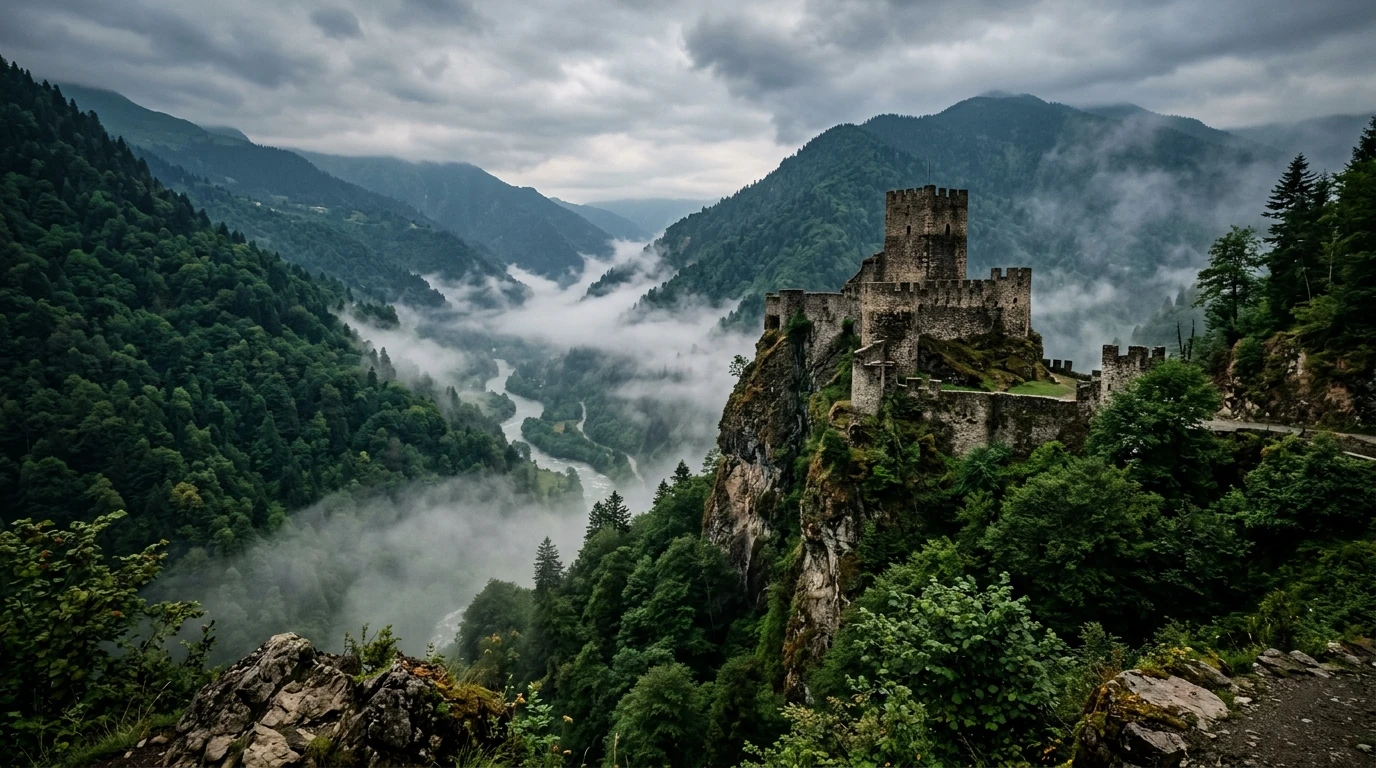
A 14th-century fortress built by the Empire of Trebizond to guard Silk Road mountain passes, Zilkale sits perched on a cliff edge overlooking Fırtına Valley. Visit at sunrise, when mist wraps around the castle walls, for the most magical photos.
4. Elevit Plateau#
A high-altitude mountain hamlet that is only inhabited in summer months, when local families move their herds up to the rich alpine pastures. Stay in a traditional wooden guesthouse here for a quiet escape, and try fresh, homemade cheese from local farmers.
5. Mad Honey & Beekeeping Experiences#
Rize's rhododendron bushes produce deli bal (mad honey), one of the world's most expensive honeys (up to €100 per kilogram) with mild hallucinogenic properties when eaten in large quantities. You'll also see traditional black hive beehives hoisted 10+ meters up into hornbeam trees to protect them from wild bears.
Safety Tip:#
Only buy mad honey from licensed, registered sellers. Unregulated street honey may have unsafe levels of toxins that can cause nausea and dizziness.
6. Hidden Waterfalls#
Don't miss Bulut Şelalesi (Cloud Waterfall), a 20-meter high waterfall tucked into a forest clearing, plus dozens of smaller unmarked waterfalls that you can find by pulling over on side roads through the valleys.
Practical Rize Travel Tips for a Stress-Free Trip#
Best Time to Visit#
The ideal window is May to October, during tea picking season, when temperatures are mild and rain showers are short. For fewer crowds, visit late May or early September, avoiding the peak July-August domestic tourist season.
Accommodation Options#
Rize has options for every budget, as outlined below:
| Accommodation Type | Average Price Per Night (2026) | Best For | Key Perks |
|---|---|---|---|
| City Centre Hotel | €30-€60 | Budget travelers, short stays | Walking distance to restaurants, public transport links |
| Traditional Guesthouse (e.g. Dudi Konağı) | €50-€80 | Cultural travelers, families | Home-cooked local meals, guided village experiences |
| Luxury Mountain Bungalow | €100-€200 | Couples, luxury travelers | Private valley views, in-room jacuzzis, private hiking trails |
Local Cuisine to Try#
- Hamsi: Fresh Black Sea anchovy, cooked in over 100 different ways (try hamsi pilaf for a filling meal)
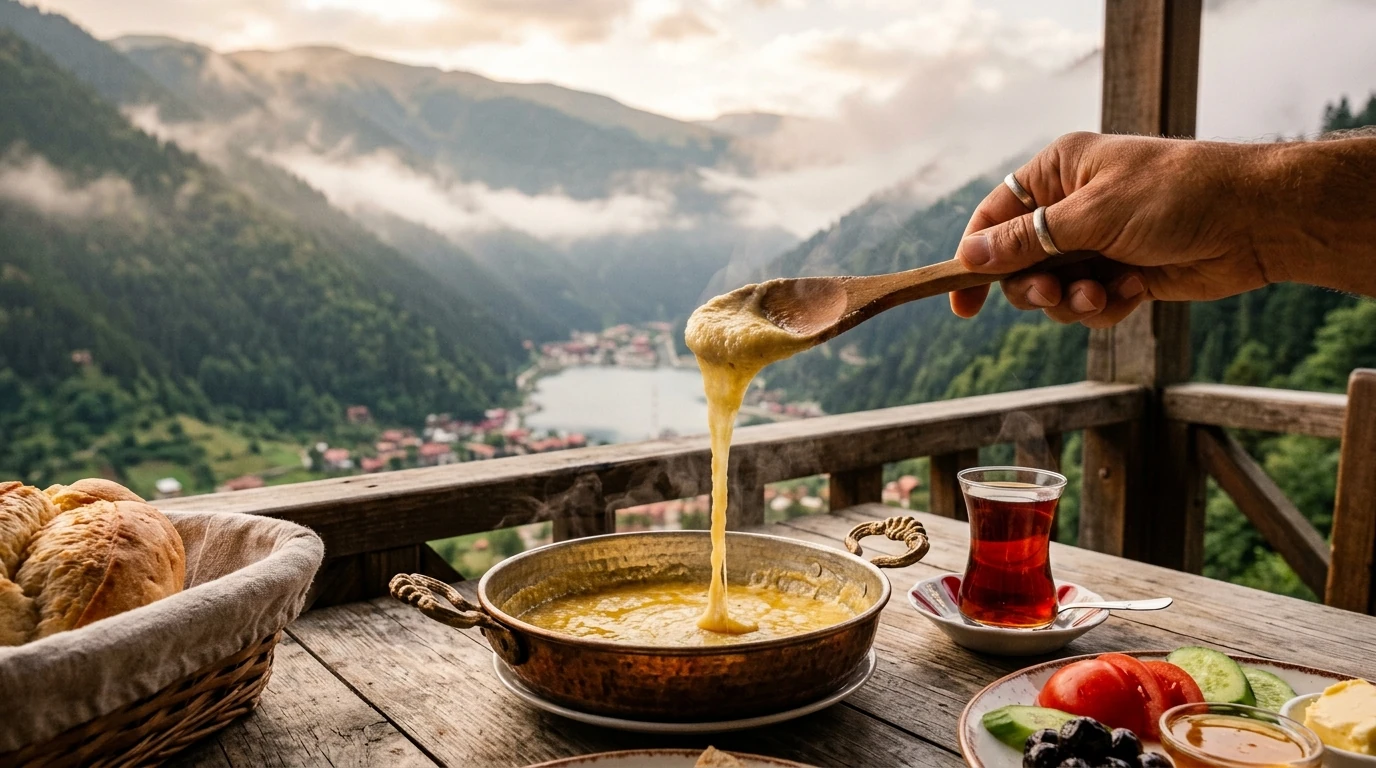
- Muhlama/Kuymak: A creamy cheese and cornmeal fondue, perfect for cool mountain days
- Black Sea pide: A flatbread pizza topped with extra cheese and local herbs
- Fresh trout: Caught daily from mountain streams, grilled and served with lemon
Local Cultural Tips#
- Rize is home to the Hemshin people, an ethnic minority with their own distinct language and traditions. Always ask before taking photos of local people, and respect their privacy.
- Roads are narrow and winding, so drive slowly (max 30km/h on mountain roads) and avoid driving after dark when fog is common.
- Pack good, non-slip hiking shoes for tea garden visits and valley walks.
Common Mistake to Avoid:#
Don't try to cram too many attractions into one day. The winding roads mean travel times are much slower than you expect: plan to visit a maximum of 2 attractions per day to avoid rushing.

How to Get to Rize (2026 Accessibility Update)#
The 2022 opening of Rize-Artvin Airport transformed travel to the region:
- Flights: Direct 2-hour flights from Istanbul run 4 times per day, with return tickets starting at €50 if booked in advance. This replaces the old 19-hour bus journey from Istanbul.
- Road connections: Rize is 41 miles east of Trabzon (1.5 hour drive), 55 miles west of Hopa on the Georgian border (2 hour drive), and 4 hours north of Erzurum.
- Getting around: Public minibuses (dolmuş) run between major towns, but renting a small car is highly recommended for flexibility, so you can stop at random tea gardens and hidden waterfalls along the way.
Final Takeaways: Is Rize Right For You?#
Rize is not the right destination if you're looking for all-inclusive beach resorts, 30-degree sunny days, or fast-paced city nightlife. But if you love slow travel, unspoiled nature, rich cultural experiences, and endless cups of delicious tea, it's one of the most magical destinations in Europe and West Asia right now. With direct flights from Istanbul and still relatively low tourist numbers, 2026 is the perfect year to visit before it becomes a mainstream tourist hot spot.
References#
- The Guardian, Road Trip to Rize, September 2025
- National Geographic, Tea Time on Turkey's Black Sea Coast
- CNN, Picking Tea in Rize Turkey, October 2023
- Climate Data, climatestotravel.com/climate/turkey/rize
- Wikipedia, Rize Article
- Indra Village, Rize Tea Gardens and Experiences Guide