Imagine stepping off a plane in northeastern Turkey, the air thick with the earthy scent of damp pine and freshly brewed black tea. Below you, rolling hills are carpeted in the bright, uniform green of tea plantations, stretching all the way to the Black Sea coast. Above them, snow-dusted alpine peaks pierce the clouds: that's the Kaçkar Mountains, one of Europe's most underrated hiking paradises.
Long a hidden gem for local trekkers, the 2022 opening of Rize-Artvin Airport has made this Caucasus extension far more accessible to international visitors. Stretching 620 miles (1,000km) — longer than the Appalachians, twice the length of the Pyrenees — the range boasts a 3,937m (12,917ft) highest peak, glacial lakes, biodiverse wildflower meadows, and a rich cultural heritage shaped by centuries of nomadic life and cross-border influence. This guide covers everything you need to plan a trip hiking above Turkey's world-famous tea country, from family-friendly day walks to multi-day summit attempts.
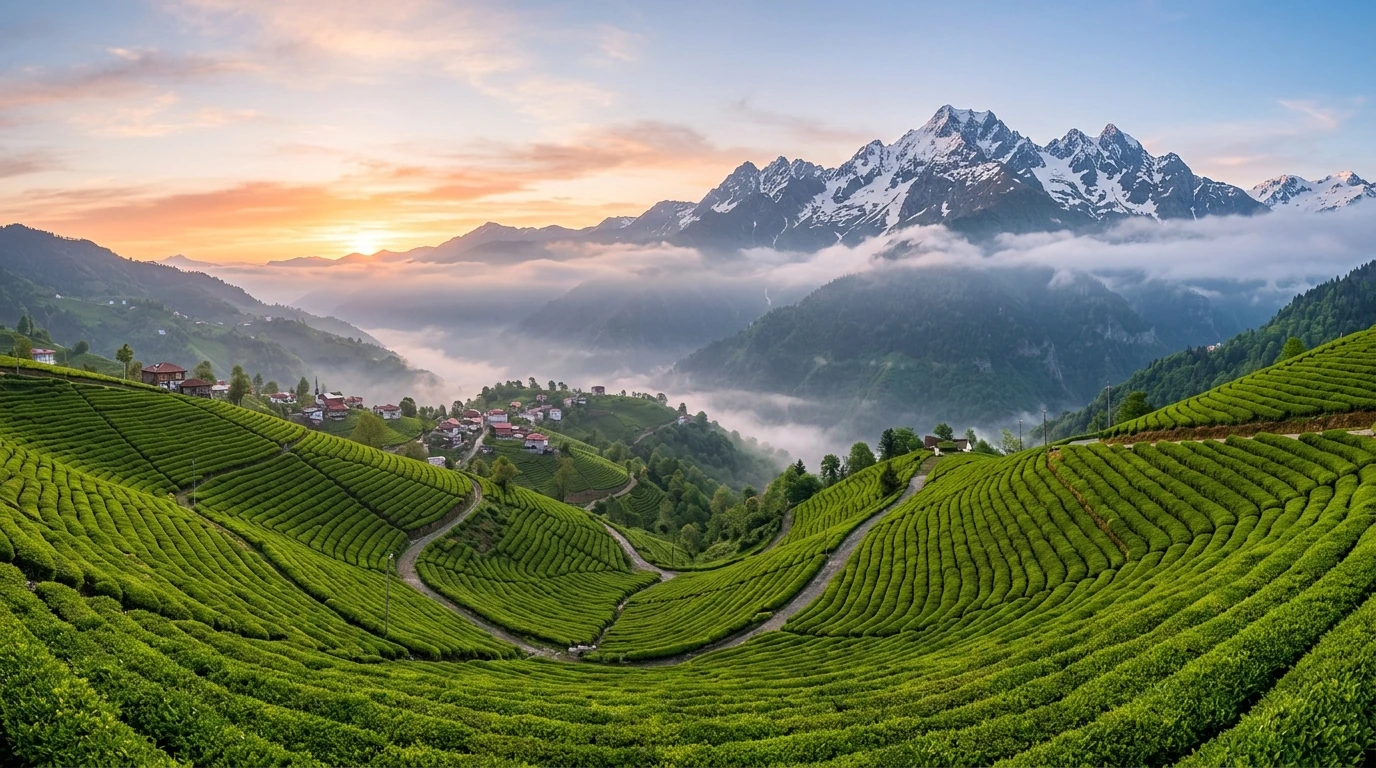
Table of Contents#
- Where Are the Kaçkar Mountains, Exactly?
- Best Time to Visit the Kaçkar Mountains
- Top Hikes & Treks for Every Skill Level
- What to See Beyond Hiking: Yaylas, Wildlife & Cultural Gems
- Must-Try Local Food & Drink in the Kaçkar Region
- Logistics: Getting There, Accommodation & Packing Guide
- Common Mistakes to Avoid When Visiting the Kaçkar Mountains
- Conclusion
- References
Where Are the Kaçkar Mountains, Exactly?#
Location & Key Stats#
The Kaçkar Mountains are an extension of the Caucasus mountain range, running along Turkey's northeastern Black Sea coastline near the Georgia border, spanning the provinces of Rize and Artvin. Kaçkar Mountains National Park, established in 1994, protects 51,000 hectares of pristine alpine and forest habitat, with the highest peak reaching nearly 4,000m above sea level.
The 2022 opening of Rize-Artvin Airport cut travel time from Istanbul to the region to just 90 minutes by air, making the area significantly more accessible for international hikers compared to the previous 3+ hour drive from Trabzon.
The Tea Country Connection#
This region is the heart of Turkey's tea-growing country. Turkey is one of the world's largest per capita tea consumers, and the vast majority of the country's tea is grown on Rize's steep, humid hillsides. The frequent rainy, mild Black Sea climate is perfect for tea cultivation, and you'll see neat rows of tea bushes covering every slope up to the lower edges of the national park. The region is also a major producer of hazelnuts — most of the world's hazelnuts come from Turkey — so you'll spot hazelnut orchards mixed with tea plantations as you drive up to the mountain trailheads.
Best Time to Visit the Kaçkar Mountains#
Weather in the Kaçkars is notoriously unpredictable, with four seasons possible in a single day, so timing your trip carefully is critical. Use this quick reference to pick the right window for your activities:
| Time Frame | Conditions | Best For |
|---|---|---|
| Mid-June | Lower trails thawed, wildflowers in full bloom, high passes still snow-covered | Day hikes, yayla visits, foraging for wild strawberries |
| July – September | High passes and summits clear of snow, daytime temperatures between 15-25C at mid-elevation | Summit attempts, multi-day high-elevation treks |
| August | Peak conditions, mountain goats frequently spotted above treeline, minimal snow at all accessible elevations | All activities, family visits, wild camping |
| September – Early October | Less mist, fewer crowds, fall foliage starting to show in lower forests | Moderate day hikes, cultural site visits |
| May | Early season, many villages still sparsely populated, high passes snow-covered | Off-the-beaten-path travelers okay with limited trail access |
| October – June | Heavy snow at elevations above 1,500m, most guesthouses closed | Only snowshoeing/backcountry skiing with experienced local guides |
Pro tip: Snow often lingers at elevations above 2,500m until mid-July, so always check local trail conditions with your guesthouse owner before attempting high pass crossings.
Top Hikes & Treks for Every Skill Level#
The Kaçkars offer routes for every fitness level, from flat valley walks to technical alpine summit attempts.
Family-Friendly Day Hikes#
The Hevek Valley has 7 fully waymarked day walks, all rated easy to moderate, with elevation gains under 1,000m and durations between 1-4 hours. The trails wind through old-growth spruce and pine forests, past small waterfalls, and stop at family-run yayla guesthouses where you can get fresh cheese and honey snacks. These trails are open 5-6 months a year (May to October, snow dependent) and are perfect for travelers with young kids or who prefer low-effort, high-reward walks.
Moderate Multi-Day Treks#
There are 8 established multi-day trails crossing different passes over the main Kaçkar range, ranging from 3-6 days long with total elevation gains between 2,000-4,000m. These routes are ideal for beginner multi-day trekkers: you can hire mule support to carry your heavy luggage for roughly $25 per day, and most nights you can stay in local yayla guesthouses, so you don't need to carry full camping gear. Popular routes include the Ayder to Olgunlar trek, which crosses a 2,800m pass and stops at three remote nomadic villages.
Advanced High-Elevation Routes#
For experienced hikers, the Kaçkars offer world-class alpine trekking:
- Kaçkar Mountains Traverse: A 7.8 mile point-to-point day hike with 3,740 ft of elevation gain, rated hard, taking 6-7 hours to complete. It crosses a high alpine pass with unobstructed views of the highest Kaçkar peaks and glacial lakes.
- Full Kaçkar Traverse: A 6-7 day trek covering roughly 96 miles (154km) total, with 5,800m of elevation gain and 6,100m of descent. It crosses multiple 3,000m+ passes, with a mix of guesthouse stays and wild camping.
- Mt Kaçkar Summit Attempt: The 3,937m highest peak is a non-technical but strenuous climb, best done July-September. Most trekkers do it as a 2-day trip, with an overnight stay at a high alpine camp before an early morning summit push to avoid afternoon thunderstorms.
Hiking Pro Tips#
- Most routes are not waymarked, so download GPS tracks from local tour operators or the Culture Routes Society before your trip — cell service is non-existent in most of the national park.
- The tree line sits at roughly 2,100m, so all hikes above that elevation are fully exposed to sun and wind. Pack extra sun protection and windproof layers.
- Mule support is available for all extended treks, and is highly recommended to reduce strain on long, high-elevation days.
What to See Beyond Hiking: Yaylas, Wildlife & Cultural Gems#
The Kaçkar region is as rich in culture and biodiversity as it is in hiking routes.
Yaylas: The Heart of Kaçkar Mountain Culture#
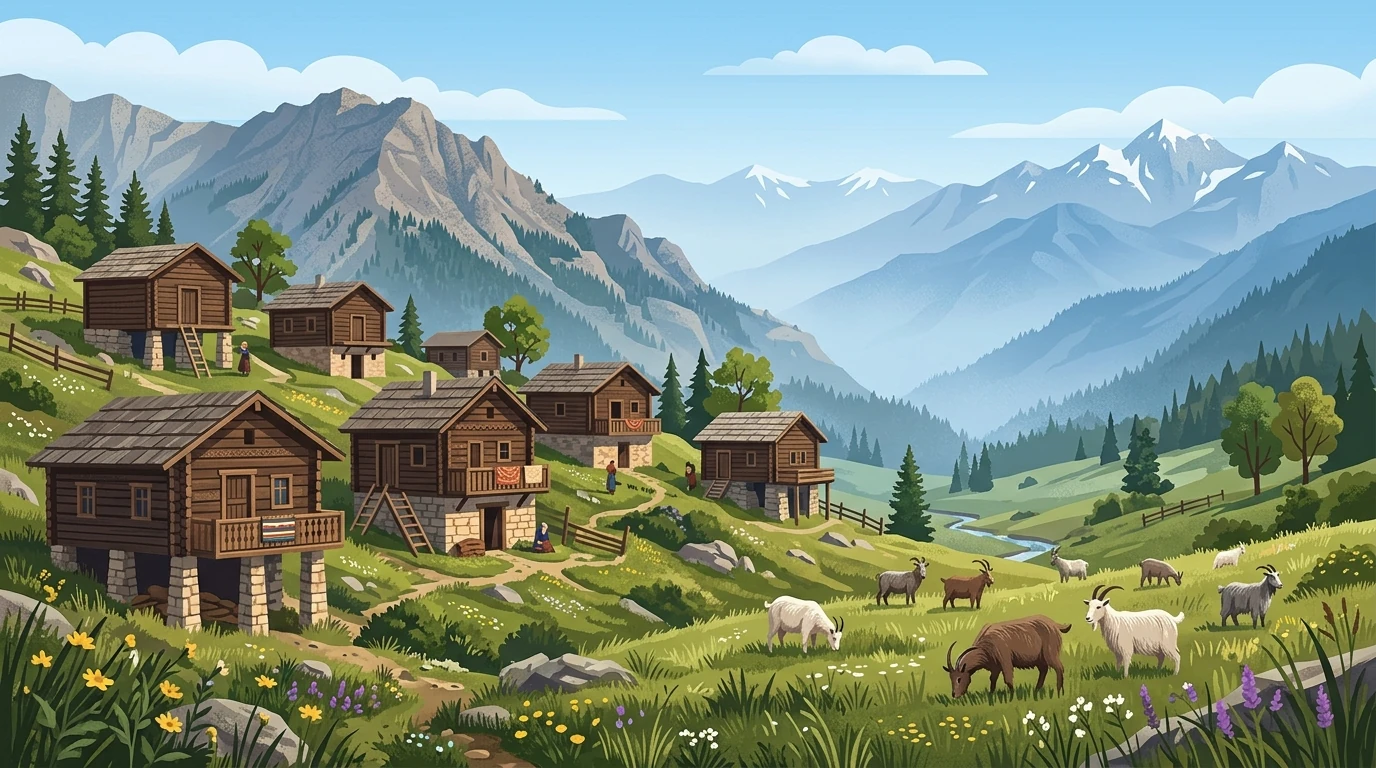
Yaylas are traditional highland nomadic villages, where local herders bring their sheep, cattle, and goats to graze in the high alpine pastures during summer months. Popular basecamp yaylas include Ayder (the most developed, with natural hot springs), Yukari Kavrun, and Olgunlar.
- Locals make artisanal cheese, yogurt, and some of the highest quality honey in the world in these villages.
- Traditional homes are built with living areas on stilts, with barns below to protect livestock from bears and cold weather.
- Most yaylas are nearly abandoned outside of summer, so plan visits between June and September if you want to experience local life.
- The region's population has diverse ancestral roots, including Armenian, Greek, Georgian, Russian, and Uzbek heritage, so you'll hear Turkish, Hemşin, and Laz languages spoken alongside standard Turkish.
Flora & Fauna#
The Kaçkars are one of the most biodiverse regions in the world, with the UNESCO Camili Biosphere Reserve in the Macahel Valley protecting thousands of rare plant and animal species:
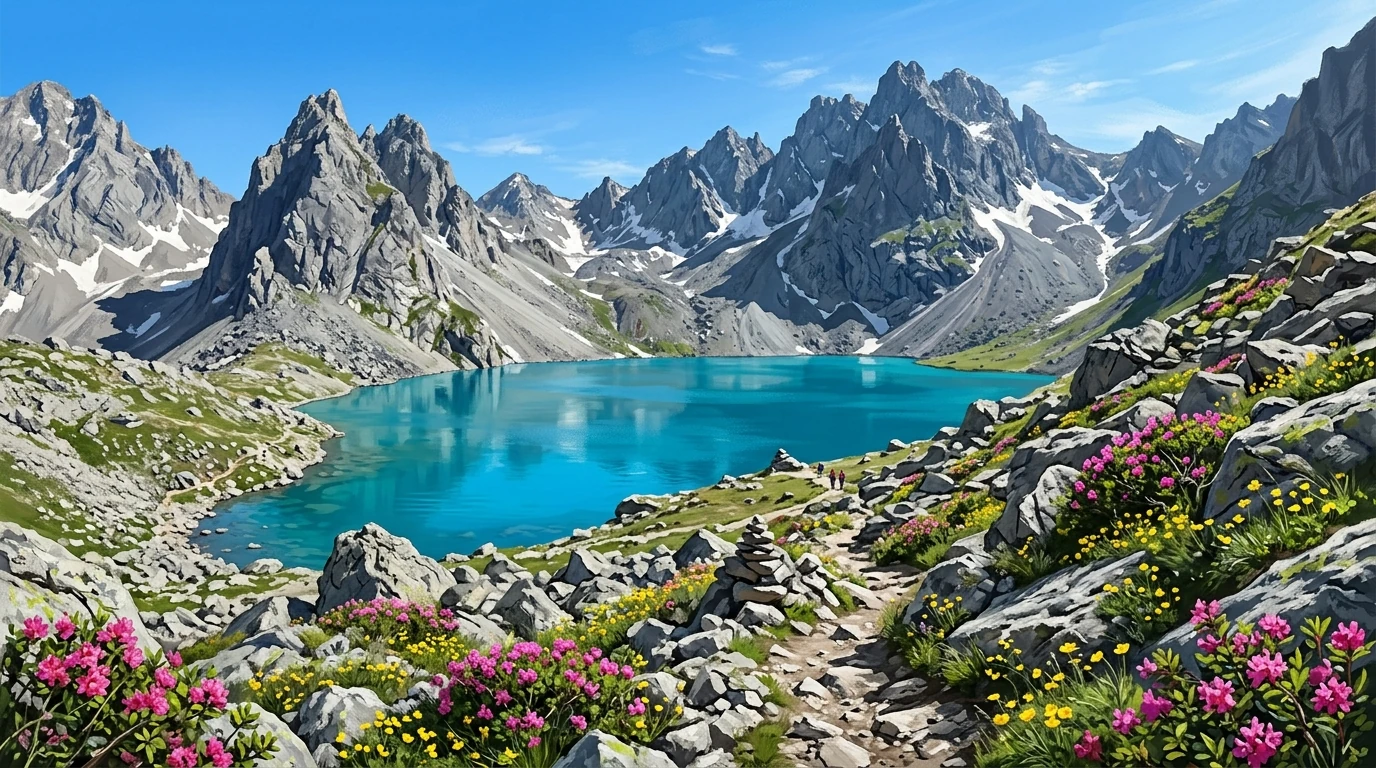
- Wildflowers including crocuses and bright pink rhododendrons bloom across alpine meadows in late June.
- Foraging is popular between May and September, with wild strawberries, raspberries, blackberries, and blueberries growing across the range (always ask local herders for permission before foraging on their land).
- Wildlife includes mountain goats (frequently spotted above treeline), rare brown bears, and hundreds of butterfly species.
- The range has three active glaciers, and glacial lakes like Deniz Golu and Buyuk Gol have stunning turquoise blue-green water from glacial melt.
Can't-Miss Cultural & Historical Sites#
These sites are all easy day trips from Ayder yayla:
- 9th-century Tbeti Monastery in Cevizli village (Şavşat), a well-preserved example of medieval Armenian ecclesiastical architecture.
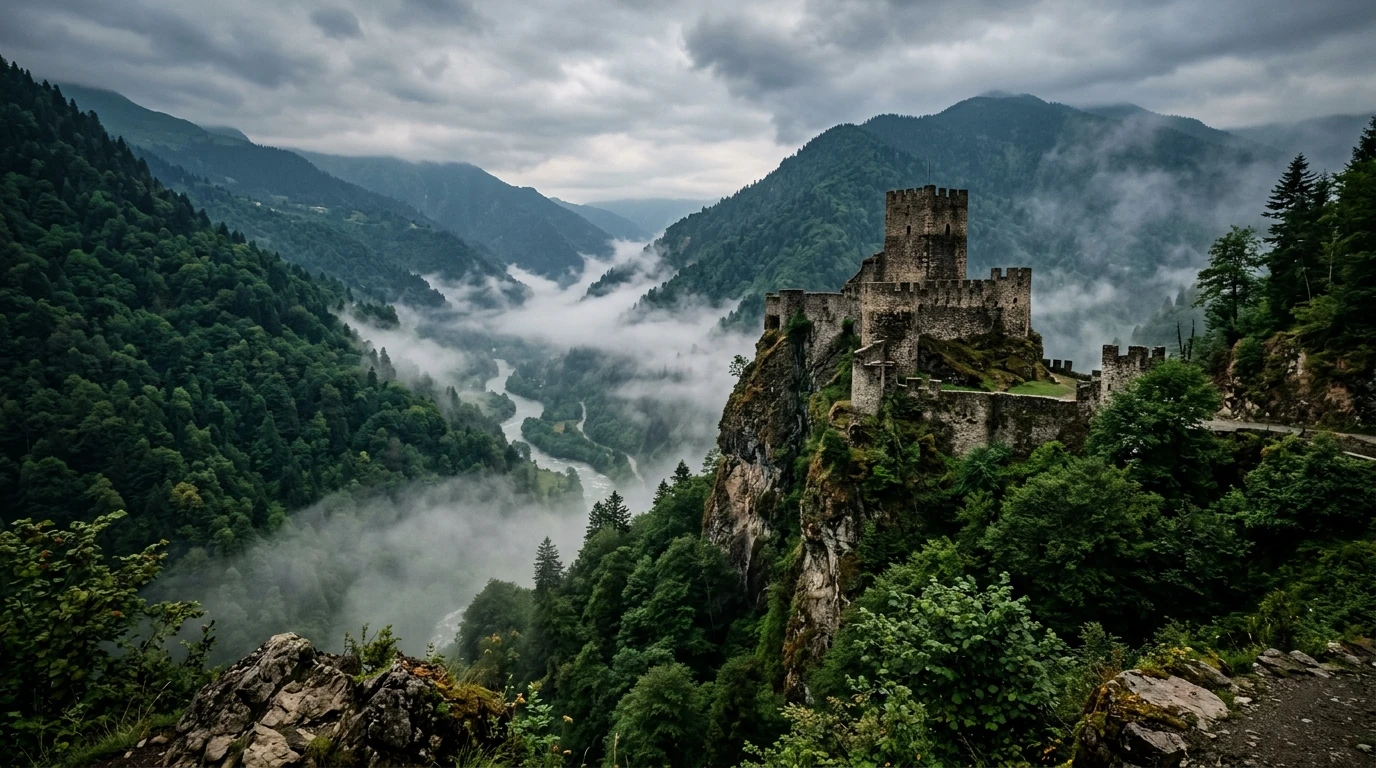
- Zilkale, a medieval castle perched on a 1,130m cliff in the Fırtına Valley, built by Georgian rulers in the 14th century.
- Maral Wooden Mosque, built entirely without nails using the traditional kurtboğazı woodworking technique, with colorful dyes made from local tree roots.
- Maral Waterfall, standing at 207 feet (63m), one of the tallest in Turkey — be prepared for a tricky climb down to the base.
Must-Try Local Food & Drink in the Kaçkar Region#
Tea & Dairy Staples#
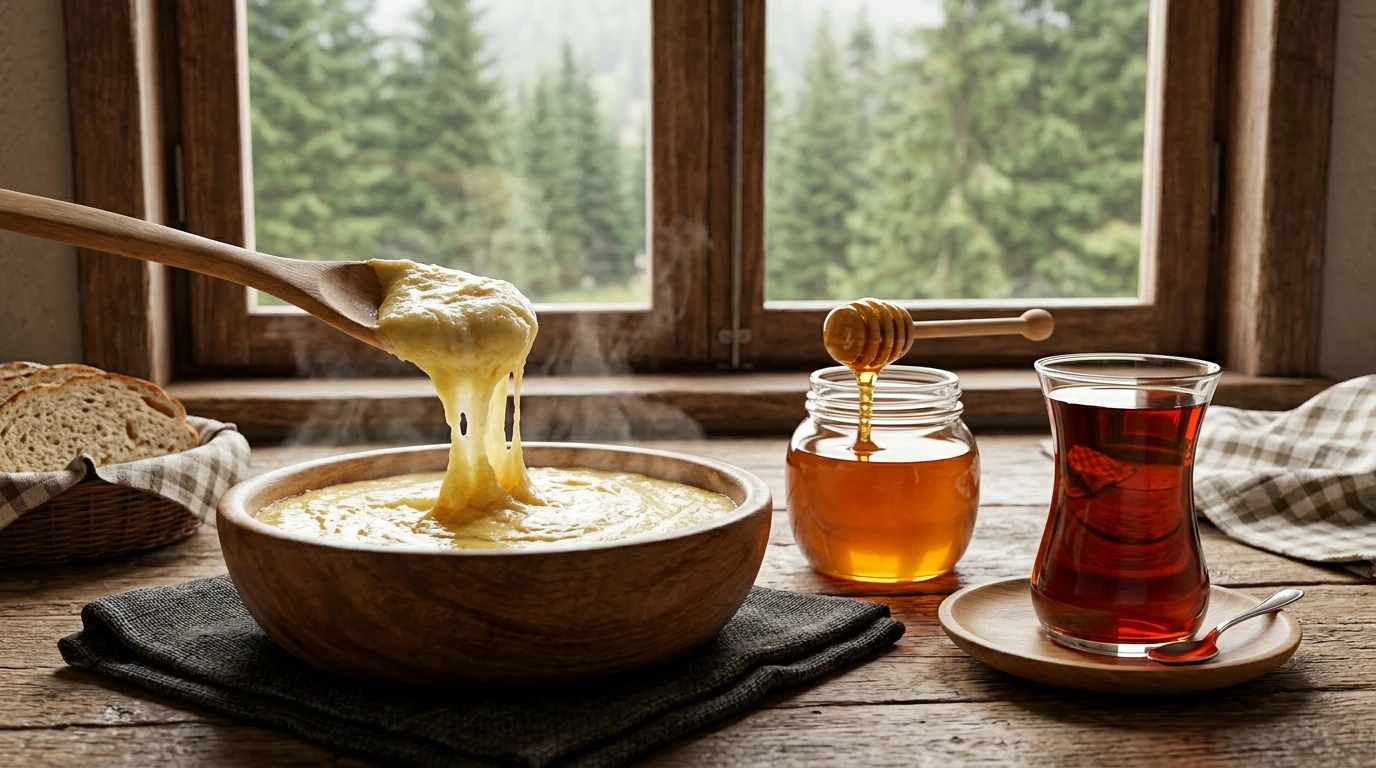
- Rize Tea: Served black in small glasses, sweetened to your taste, every guesthouse and restaurant serves it free of charge all day long. This is the heart of Turkey's tea culture.
- Fresh Dairy: Sheep and goat cheese, butter, and yogurt made from animals grazing on alpine pastures are far richer than store-bought varieties, often served with honey for breakfast.
- Mulama: A hearty Black Sea cheese fondue made with local cheese, cornmeal, and butter, perfect for warming up after a cold hike.
The World's Most Famous (and Expensive) Honey#
The Kaçkar region is famous for its rare, high-quality honey:
- Elvish Honey: The most expensive honey in the world, costing $1,500 per bottle, harvested from deep caves in Artvin province. Harvesting it involves a day-long hike to remote caves that provide an ideal microclimate for honey production.
- Deli Bal (Mad Honey): A local specialty made from rhododendron nectar containing grayanotoxin, which has mild psychoactive and medicinal effects. Locals only eat a tiny teaspoon at a time, as larger quantities can cause nausea, dizziness, and heart palpitations.
- You'll see beehives placed on metal-wrapped stilts across the region, used to protect hives from bear raids.
Logistics: Getting There, Accommodation & Packing Guide#
Getting to the Kaçkar Mountains#
- Flights: Fly to Rize-Artvin Airport (direct flights from Istanbul and Ankara) or Trabzon Airport, a 2-hour drive from Rize.
- Ground Transport: Shared minibus taxis called dolmuş run regularly from Rize and Artvin city centers to the yaylas during summer. Public buses also connect larger towns daily, for a cheaper but slower option.
Where to Stay#
- Guesthouses: Available in larger yaylas like Ayder and Olgunlar, typically costing $30-50 per night including home-cooked breakfast and dinner.
- Camping: Designated campgrounds in Ayder and near popular trailheads. Wild camping is allowed almost everywhere in the national park, just avoid private farmland and livestock enclosures.
- Basic supplies (bread, cheese, trail mix, canned goods) are available in small shops in all populated yaylas, so you don't have to carry all your food from the city.
Essential Packing & Safety Tips#
The Kaçkars' unpredictable weather means packing layers is non-negotiable:
- Waterproof, broken-in hiking boots
- Warm layered clothing: thermal underwear, fleece, down jacket, and waterproof outer shell
- Rain jacket and pants (mandatory, as weather can change in 5-10 minutes)
- Breathable Gore-Tex gaiters to keep mud and snow out of your boots
- Sunglasses, sun hat, and warm gloves (temperatures drop below freezing at night above 3,000m even in August)
- Full camping gear (tent, 0C-rated sleeping bag, sleeping pad) for multi-day treks
- Water purification tablets or filter (tap water in remote yaylas is not safe to drink)
- Diamox for altitude sickness prevention for hikes above 3,000m
- Emergency shelter/tarp for unexpected weather delays
- SPF 50+ sun protection and lip balm (UV rays are extremely strong at high elevation)
Safety note: Bears are rare but present in remote areas, so carry bear spray if you're wild camping, and never leave food unattended at your campsite. Always let your guesthouse owner know your hiking route before you leave, in case of emergency.
Common Mistakes to Avoid When Visiting the Kaçkar Mountains#
- Attempting high passes before mid-July: Many travelers show up in June expecting clear trails, but snow often lingers above 2,500m until mid-July, making passes impassable without winter gear.
- Skipping waterproof layers: Even if it's 25C and sunny when you start your hike, a sudden downpour can hit in 10 minutes, leaving you soaked and at risk of hypothermia at high elevation.
- Expecting waymarked trails: Only the Hevek Valley day walks are marked — all other routes require pre-downloaded GPS tracks or a local guide.
- Disrespecting local culture: Don't trespass on private yayla land, ask permission before taking photos of locals, and take off your shoes if invited into a local home.
- Overdoing mad honey: Stick to the 1 teaspoon serving recommended by locals, as larger quantities cause unpleasant side effects.
- Ignoring altitude sickness risks: Ascend slowly above 2,500m, stay hydrated, and stop hiking if you feel lightheaded or short of breath.
Conclusion#
The Kaçkar Mountains are one of the world's most unique hiking destinations, where you can go from sipping freshly brewed tea on a tea plantation terrace at sea level to hiking through alpine wildflower meadows and glacial lakes at 4,000m in the same day. With new airport access making it easier than ever to visit, there's never been a better time to explore this underrated gem. Whether you're a family looking for easy day walks and local food, or an experienced hiker chasing a 4,000m summit, the Kaçkars have something for everyone. Just remember to pack your rain jacket, respect the local nomadic culture, and leave no trace on the trails.
References#
- CNN Travel: Turkey's Kaçkar Mountains: Unspoiled Land of Alpine Adventure
- Expert Vagabond: Wildflowers & Ice: Hiking Turkey's Majestic Kackar Mountains
- Culture Routes Society: The Kaçkar — Trek the Passes and Peaks of Northeast Turkey
- Doing Miles: Turkey: Kaçkar Mountains Trekking Report
- AllTrails: Best Hikes and Trails in Kaçkar Mountains National Park
- Kaçkar Adventures: Multi-Day Treks and Summit Expeditions
- Kate Clow: The Kackar: Trekking in Turkey's Black Sea Mountains (Guidebook)