Last month, I sat on a rooftop terrace in Istanbul's Sultanahmet neighborhood sipping apple chai, watching the sun set over the Blue Mosque and Hagia Sophia, while fielding 17 DMs from followers asking some version of the same question: Is Turkey still safe to visit in 2026?
Turkey remains one of the world's most visited countries, drawing tens of millions of tourists annually for its UNESCO sites, stunning coastlines, hot air balloon rides over Cappadocia, and world-famous cuisine. But shifting geopolitical tensions, updated travel advisories, and scattered reports of attacks and scams have left many would-be travelers confused about the actual risks.
Over 6 weeks on the road this spring, we traveled across Istanbul, Cappadocia, Antalya, the Turquoise Coast, and parts of Eastern Anatolia, combining on-the-ground experience with the latest official safety data to give you an honest, practical guide to travel safety in Turkey this year.
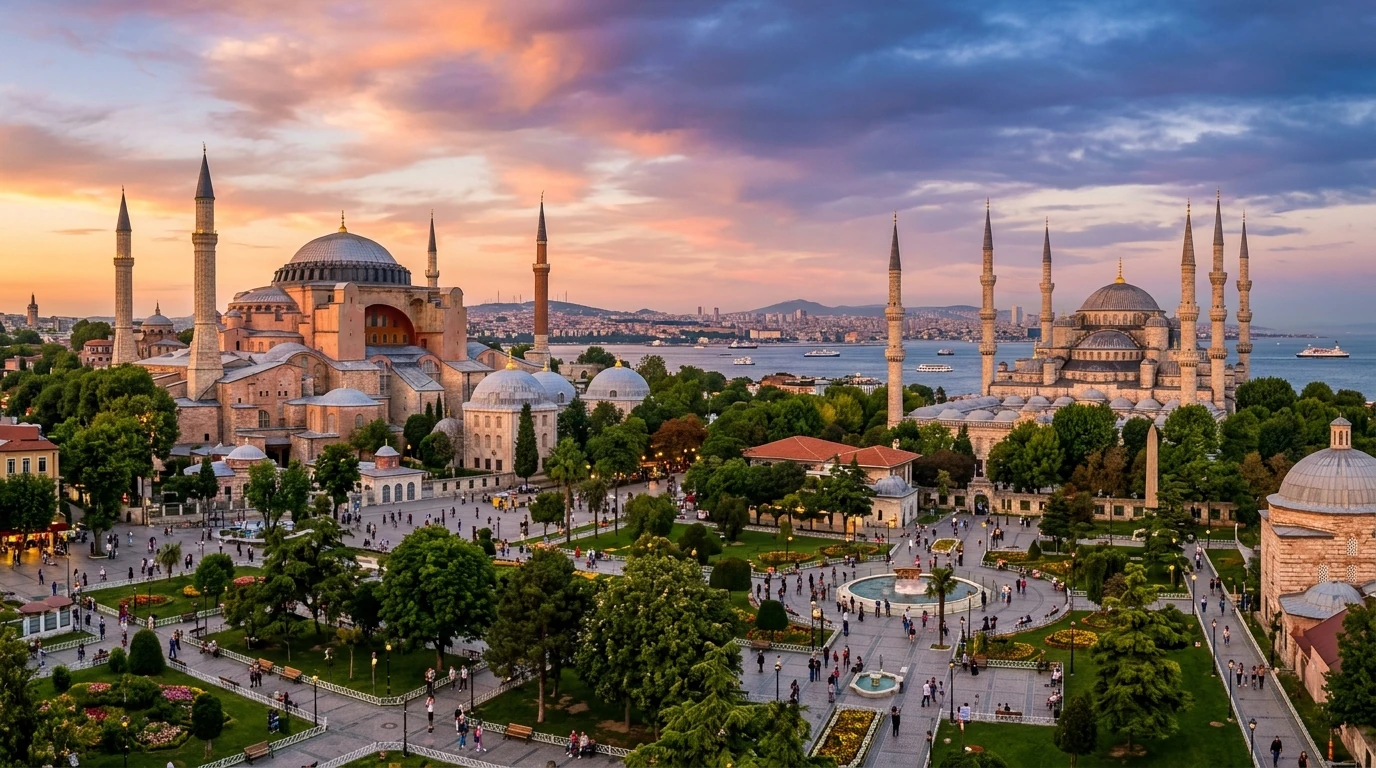
Table of Contents#
- 2026 Official Travel Advisories: What They Actually Mean
- Key Security Concerns for 2026 Turkey Travel
- Common Crime & Scams to Avoid (On-the-Road Examples)
- Local Laws & Customs You Can't Afford to Ignore
- 2026 Entry Requirements for Turkey
- Actionable Safety Tips for Your 2026 Trip
- Final Verdict: Is Turkey Safe to Travel in 2026?
- References
2026 Official Travel Advisories: What They Actually Mean#
Before you book any trip, it's critical to review official government travel advisories, which are updated regularly to reflect emerging risks. As of mid-2026, two leading advisories apply to Turkey:
US State Department Advisory (Updated June 9, 2026)#
The US has assigned Turkey a Level 2: Exercise Increased Caution rating, the same as countries like France, Italy, and the UK. Key caveats include:
- A strict do not travel warning for all areas within 10km (6 miles) of the Syria and Iraq borders, due to terrorism and armed conflict spillover
- Noting that terrorist groups continue plotting attacks on tourist locations with little to no warning
- Warning of arbitrary detentions of US citizens based on scant evidence of ties to designated terrorist groups, plus reports of exit bans preventing US citizens from leaving the country
- Reminding travelers that unapproved protests can lead to arrest, even for bystanders
UK FCDO Advisory (Updated June 22, 2026)#
The UK's advisory matches the US 10km Syria border no-travel rule, and adds a critical 2026-specific note: expect significant travel disruption in Ankara July 7-8, 2026, during the NATO Summit, with increased security, road closures, and possible flight delays. It also notes elevated regional tensions due to ongoing Middle East conflicts.
On-the-road note: We traveled exclusively outside the border no-go zones and found that the Level 2 rating aligned with our experience: basic increased caution was needed, but we never felt at immediate risk in major tourist hubs.
Key Security Concerns for 2026 Turkey Travel#
While most tourist areas see minimal security risks, there are three key threats to plan for:
Terrorism Risks: Context for Tourists#
Terrorist groups including ISIS, ISIS-K, and al-Qaida continue plotting attacks in Turkey, with recent 2026 incidents targeting police in Izmir, Yalova, and Istanbul. The PKK formally announced its dissolution in May 2025 and completed its withdrawal from Turkish territory in October 2025, but demobilization is not complete, and there is risk of renewed attacks if the peace process collapses.
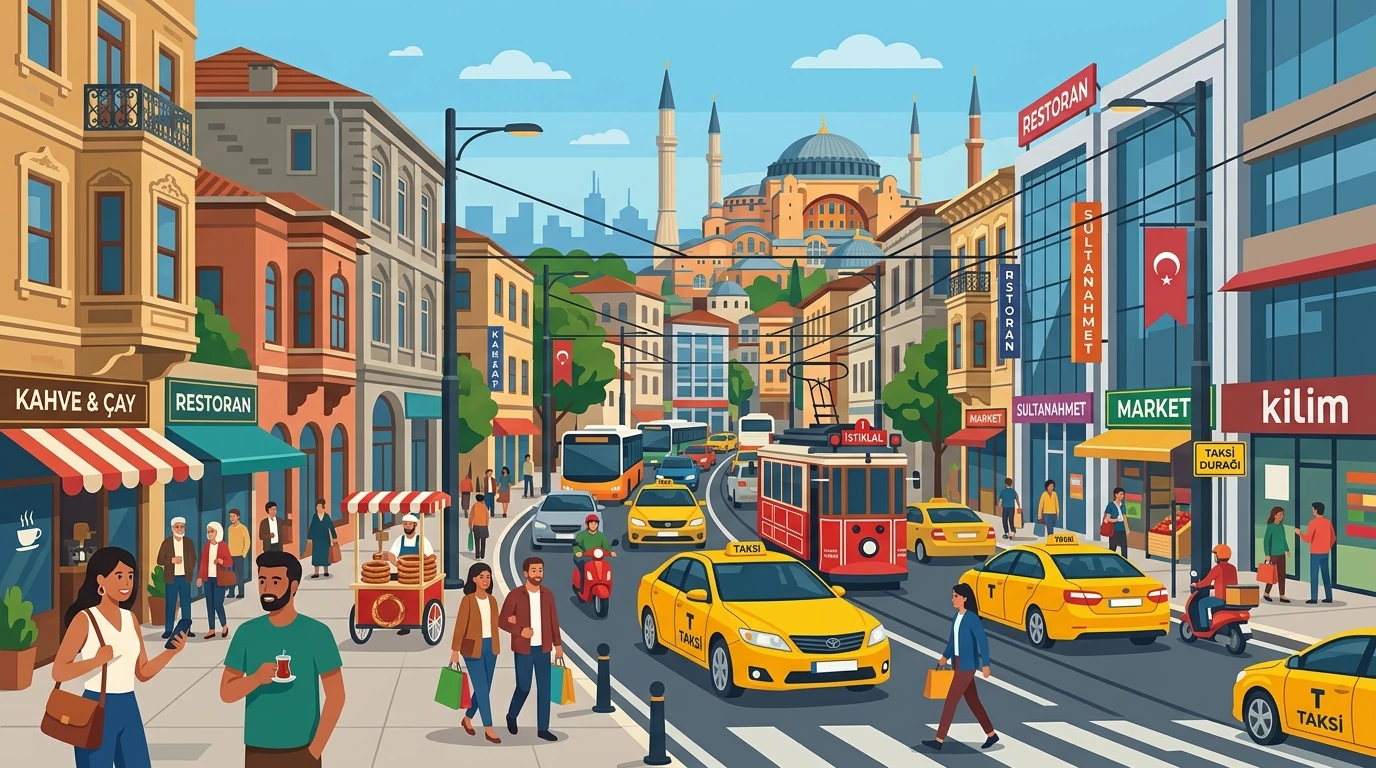
Soft targets in major urban areas (tourist sites, transportation hubs, malls, hotels, and public events) are the most likely targets for attacks. We saw increased armed security patrols near Taksim Square, the Grand Bazaar, and Cappadocia tourist sites during our trip, with random bag checks at most major attractions.
Border Region Risks: Just Don't Go There#
Cross-border spillover from the ongoing Syria conflict, extremist transit through border towns, and frequent checkpoints make the 10km zone near Syria and Iraq extremely high risk. The US government has limited ability to provide emergency services in these areas.
Real traveler example: A backpacker we met in Gaziantep tried to drive to a small border village near Syria to take photos, and was detained at a military checkpoint for 3 hours before being turned back. He missed his pre-booked flight to Istanbul as a result.
Demonstrations: Avoid Unplanned Crowds#
Protests are common across Turkey, particularly in Eastern and Southern regions, and can turn violent with little warning. Violent clashes between Kurdish groups and Turkish police are reported periodically in eastern provinces.
On-the-road note: We stumbled on a small unapproved protest in Diyarbakir in April, and a local café owner pulled us inside immediately before riot police arrived. He told us tourists are often arrested alongside protesters even if they are just bystanders, so it's best to leave any area where crowds are gathering unexpectedly.
Common Crime & Scams to Avoid (On-the-Road Examples)#
Most crime reported in Turkey targets tourists, and is avoidable with basic preparation:
Petty Crime#
Pickpocketing, purse snatching, and phone theft are extremely common in high-traffic tourist areas including the Grand Bazaar, Taksim Square, public transit, and Cappadocia viewpoint sites. Residential break-ins targeting ground-floor tourist apartments in major cities are also reported.
Tip: We used crossbody bags with locking zippers, left all valuables in our hotel safe, and never placed phones on café tables. A couple we met in Sultanahmet had their phone snatched off their outdoor café table by a passing motorcyclist in broad daylight.
Violent & Targeted Crime#
Reported incidents include:
- Sexual assault in hamams (Turkish baths), nightclubs, unlicensed taxis, and for solo travelers out at night
- Date rape drug incidents in bars and clubs across tourist hubs
- Hate crimes targeting religious minorities, with high levels of antisemitic and anti-Israeli sentiment reported across the country

Tip: Solo female travelers should only book hamams with explicitly designated female attendants, and never accept open drinks from strangers. We heard multiple reports of solo women being harassed by unlicensed taxi drivers, so only use licensed yellow taxis or verified ride-hailing apps like BiTaksi.
Tourist Scams#
The most common scams we encountered or heard reported include:
- Restaurant overcharging: We almost got scammed at a fish restaurant near the Bosphorus, where we were quoted a low price for fresh fish, then charged significantly more on the bill. We had taken a photo of the menu when we ordered, and the owner dropped the extra charge immediately.
- Counterfeit alcohol: Multiple tourist deaths have been reported from drinking counterfeit alcohol laced with methanol. Only buy alcoholic beverages from licensed stores, bars, hotels, and restaurants, and always check that bottle seals are intact.
- Romance and financial scams: Scammers targeting tourists on dating apps, claiming to be Turkish residents, and asking for money for emergency medical bills or travel costs are extremely common.
Local Laws & Customs You Can't Afford to Ignore#
Turkey has strict laws that carry heavy penalties, including jail time, for violations that may seem minor to foreign travelers:
- It is illegal to insult Mustafa Kemal Atatürk, religious groups, the Turkish government, flag, president, or security forces, including posts on your personal social media accounts. We deleted all old social media posts referencing Turkish politics before entering the country to avoid risk.
- Marijuana, cannabis, CBD, and all THC products are strictly prohibited, with tightened penalties for possession introduced in 2024 that carry minimum 1-year jail sentences.
- Many common US and EU prescription medicines are illegal, including opioid painkillers, benzodiazepines, ADHD stimulants, Sudafed, and codeine. A US tourist we met at Istanbul Airport was detained for 2 days for carrying a 30-day supply of Adderall, even with a valid US doctor's note. He was only allowed to enter after surrendering the medication and signing a formal waiver.
- It is illegal to remove any cultural or historic antiquities (including small coins, rocks, or pottery shards from archaeological sites) from the country. A tourist we met at security was fined for trying to take a small Roman coin he bought at a local market home as a souvenir.
- Camouflage clothing is advised against, as civilians wearing camo may be mistaken for military or police, creating potential problems.
- Police have expanded stop-and-search powers under 2018 laws, so always carry a physical or digital copy of your passport with you at all times.
2026 Entry Requirements for Turkey#
As of mid-2026, entry rules for tourist travelers are largely relaxed:
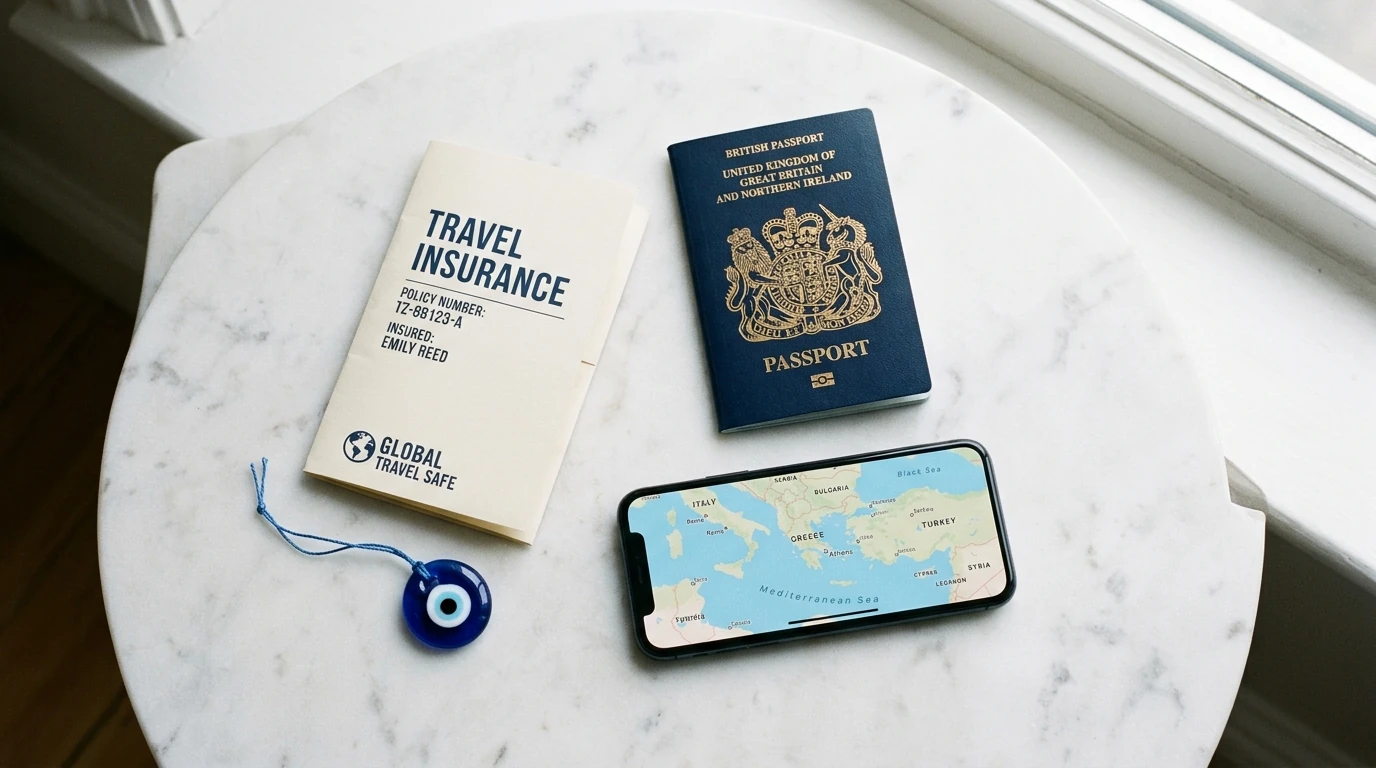
- No visa is required for tourist stays of 90 days or less for most US, EU, UK, and Australian citizens
- Your passport must have at least 6 months of validity beyond your planned entry date, and at least 1 blank page for entry stamps
- You can carry a maximum of 25,000 Turkish Lira or 10,000 Euros in cash across the border (any amount over this must be declared)
- No COVID-19 or routine vaccinations are required, unless you are arriving from a yellow fever endemic country
- Recommended vaccines for travelers include Hepatitis A and B, meningitis, and tetanus
On-the-road tip: Credit and debit cards are widely accepted across major cities, but cash is preferred for small vendors, market stalls, and smaller towns. ATMs are available everywhere, but most charge withdrawal fees for foreign cards.
Actionable Safety Tips for Your 2026 Trip#
Combine official guidance with our on-the-ground tips to minimize risk:
Pre-Trip Prep#
- Enroll in the US State Department's Smart Traveler Enrollment Program (STEP) to receive emergency alerts and make it easier for the embassy to contact you in a crisis.
- Buy comprehensive travel insurance that covers emergency medical evacuation, trip cancellation, and lost or stolen belongings.
- Erase any sensitive social media content (posts critical of the Turkish government, references to Kurdish political groups, etc.) before traveling.
- Check the US Embassy Turkey website for last-minute advisory updates before you depart.
- Avoid traveling to Ankara during the July 7-8, 2026 NATO Summit if possible, as road closures and security delays are expected.
On-the-Ground Safety#
- Avoid all unapproved protests and large, unplanned gatherings.
- Stay alert in tourist hubs, and only carry the cash and ID you need for the day.
- Only buy alcohol from licensed stores, bars, hotels, and restaurants, and always check that bottle seals are intact before drinking.
- If you are driving in southeastern Turkey, only travel during daylight hours on major highways, and obey all instructions from police at checkpoints.
- Use only licensed taxis or verified ride-hailing apps, and avoid traveling alone at night in quiet residential areas.
Emergency Contacts#
- For police, ambulance, or fire emergencies: Dial 112
- US Embassy Ankara: +90-312-294-0000
- Full emergency resources: https://tr.usembassy.gov/
Final Verdict: Is Turkey Safe to Travel in 2026?#
The short answer: For most leisure travelers, yes, as long as you plan carefully and take basic precautions.
If you are sticking to well-known tourist routes (Istanbul, Cappadocia, Antalya, Bodrum, Pamukkale, the Turquoise Coast), follow local laws, and avoid the Syria/Iraq border zones, Turkey is as safe as most major Western European destinations. The vast majority of travelers visit without any safety incidents.
That said, Turkey is not the right destination for every traveler: if you are a member of a targeted religious minority, hold dual citizenship with a country Turkey has tense relations with, or plan to travel off-the-beaten-path in southeastern border regions, you will need to take extra precautions or reconsider your trip.
The key takeaway from our 6 weeks on the road: Turkey rewards the prepared traveler. Do your research, follow local laws, stay aware of your surroundings, and you will experience one of the most fascinating, hospitable, and beautiful countries on earth.
References#
- US Department of State. (2026, June 9). Turkey Travel Advisory. Retrieved from https://travel.state.gov/content/travel/en/traveladvisories/traveladvisories/turkey-travel-advisory.html
- UK Foreign, Commonwealth & Development Office. (2026, June 22). Turkey Travel Advice. Retrieved from https://www.gov.uk/foreign-travel-advice/turkey
- US Embassy in Turkey. Emergency Services. Retrieved from https://tr.usembassy.gov/